




Speck Chrysler Jeep Dodge Ram

Blog / Auto Parts

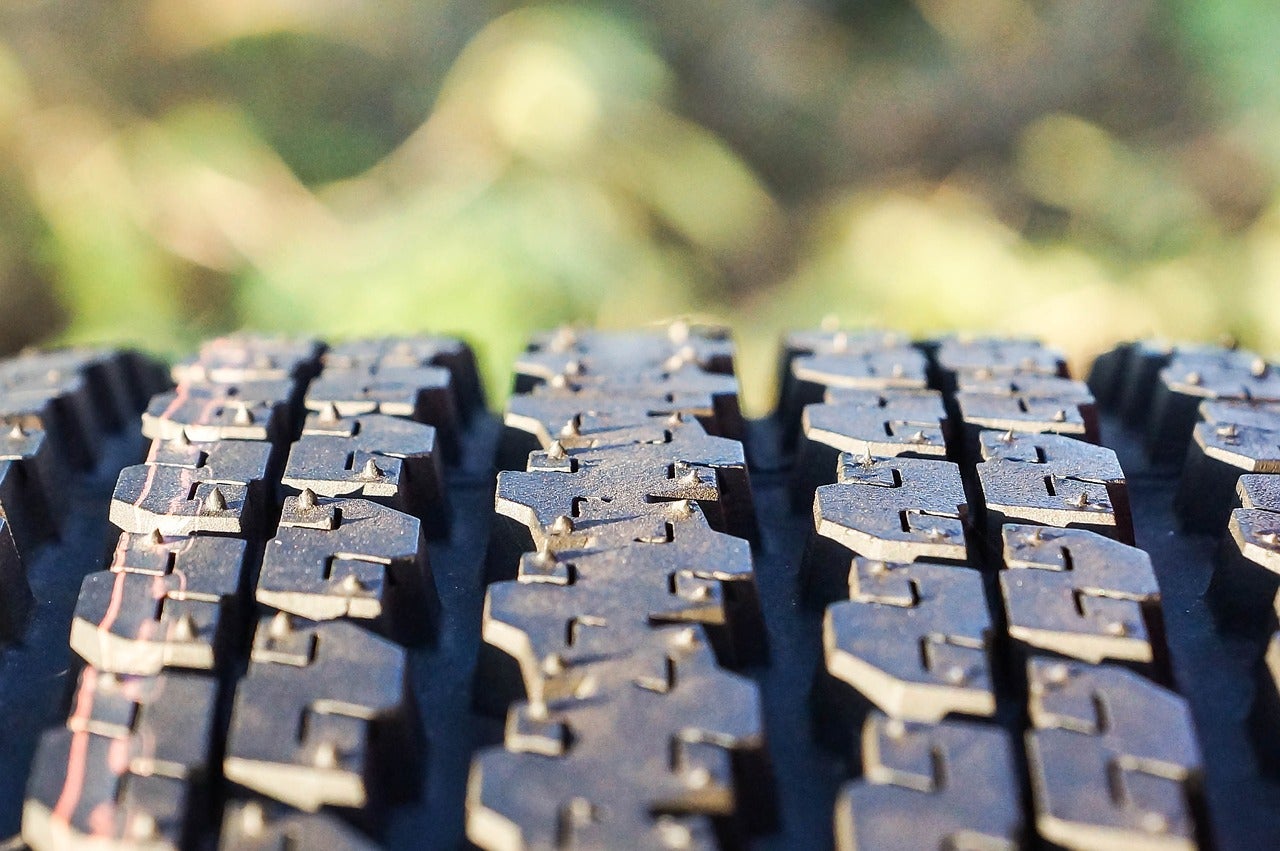
Tires: Rubber Evolved

Tires Rubber Evolved

Tires have been a part of car history as long as we can remember. Obviously, we’ve come a very long way since the wheel was invented. As time went on, the original wheel – which was made of solid wood – was covered with leather, and eventually rubber to soften the ride.

Mr. Charles Goodyear, created the vulcanization process, which is heating rubber with sulfur to make the rubber a firmer material, making it perfect for tires. At this point, they were made of solid rubber.

Robert W. Thomson is credited for creating the first air-filled tire, and even had the design patented as well. But, in 1888, John Dunlop claimed the invention of the pneumatic, air-filled tire and with no knowledge of Thomson’s work. The pneumatic tire eventually became a commercial hit.

Since then, different types of tires have been invented to do a variety of jobs. You can learn more about bias ply, radial tires, and more here: https://www.continentaltire.com/content/history-passenger-tire

Here are some great and interesting facts about the invention that has helped us moved forward:

  • Airplane tires are filled with Nitrogen. When a plane hits the runway, there’s a large amount of friction, pressure, and heat that builds within the tire. If the tire was filled with oxygen, the oxygen will react with all of this and the tire could pop. Nitrogen takes much more energy to react, and keeps hold when in different pressures and temperatures.
  • Lego produces about 318 million tires a year, which is actually more than any other tire manufacturer.

  • You can check when your tire was made! Each tire in the US has an identification number, just like the VIN on a vehicle, but this one is a TIN. Find it on the sidewall, after the letter ā€œDOTā€. The last four numbers will tell you which week (01-53) of what year your tire was made if it was made in the year 2000 or later.
  • The rubber tires are made of is initially white. Carbon black is added to reduce hotspots and increase the strength and durability. Prior to this, zinc oxide was once added to early tires, making them turn white.
Posted in:

Related Posts

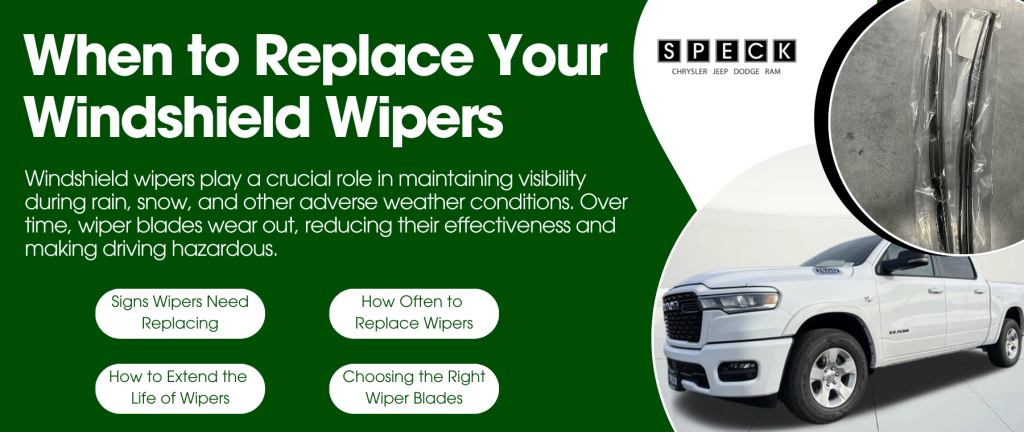
Informative graphic showing when you should replace your windshield wipers

When to Replace Your Windshield Wipers

Windshield wipers play a crucial role in maintaining visibility during rain, snow, and other adverse weather conditions. Over time, wiper blades wear out, reducing their effectiveness and making driving hazardous. Knowing when to replace your windshield wipers ensures optimal performance and safety on the road. 1. Signs That Your Windshield Wipers Need Replacing If you notice any of the following signs, it's time to replace your wipers: Streaking or Smearing: If your wipers leave streaks on the windshield, they may be worn out or have dirt buildup. Skipping or Chattering: Wipers that bounce or skip across the glass indicate hardened rubber or an uneven edge Squeaking Noises: A loud, high-pitched squeak often means the rubber is dry and no longer making proper contact with the glass. Cracked or Torn Rubber: Inspect the blades for visible cracks or splits, which reduces their effectiveness. Reduced Visibility in Rain or Snow: If your wipers struggle to clear the windshield properly, replacing them can improve your visibility and safety. 2. How Often Should You Replace Windshield Wipers? Most experts recommend replacing windshield wipers every 6 to 12 months, but factors like climate and usage may affect their lifespan. Consider replacing them sooner if you: Frequently drive in extreme weather conditions (heat, cold, rain, or snow). Notice a significant drop in performance. See visible wear or damage on the blades. 3. How to Extend the Life of Your Windshield Wipers To maximize the lifespan of your wipers, follow these maintenance tips: Clean Your Windshield Regularly: Dirt and debris can cause excessive wear on the rubber blades. Wipe Down the Blades: Use a damp cloth or wiper cleaner to remove buildup and keep the rubber flexible. Lift Wipers During Freezing Weather: Prevent ice buildup that can crack or tear the rubber. Use the Right Washer Fluid: Avoid harsh chemicals that may degrade the rubber over time. Replace Wipers in Pairs: Ensure even performance by changing both wipers at the same time. 4. Choosing the Right Wiper Blades When selecting new wipers, consider the following options: Conventional Blades: Standard, budget-friendly option found on most vehicles. Beam Blades: More durable, better at handling extreme weather, and offer a sleeker design. Hybrid Blades: Combine durability and aerodynamic efficiency for improved performance. Check your vehicle's owner's manual for the correct size and type of wipers before purchasing replacements. Windshield Wiper Info Replace Your Windshield Wipers Today Windshield wipers are essential for clear visibility and safe driving. Don't wait until a storm hits, inspect and replace your wipers as needed to stay safe on the road. Contact the Speck Chrysler Jeep Dodge Ram service department and talk to our trained professionals. Schedule Service Appointment The information provided is for general informational purposes only and does not constitute legal, financial, or professional advice. While we strive to provide accurate and up-to-date information, we make no guarantees regarding the completeness, accuracy, or reliability of the information presented. Any action you take based on the context of this blog is strictly at your own risk. Always consult a qualified professional or specialist for advice specific to your situation. We are not responsible for any losses or damages arising from the use of this blog or its content.

Vehicle Brakes

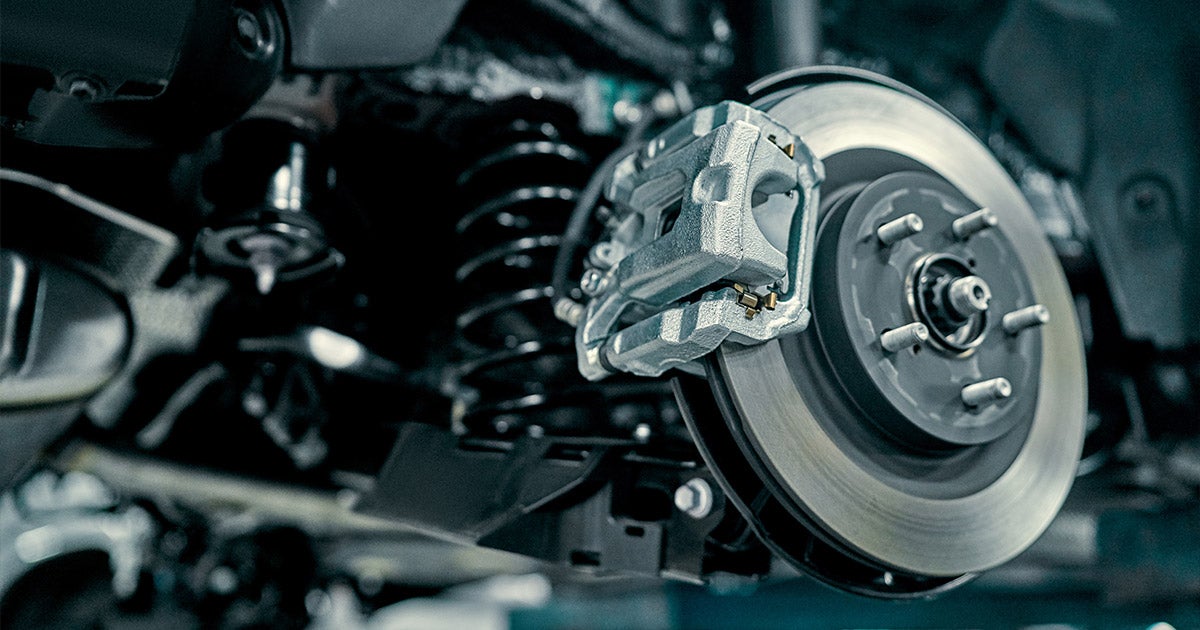
Why Is My Vehicle Vibrating When I Press on My Brakes

Experiencing vibrations when you press on your brakes can be unsettling and a sign of potential issues with your vehicle’s braking system. Identifying the cause early can help prevent more significant problems and ensure your safety on the road. Here are some common reasons why your vehicle may be vibrating when you brake and what you can do about it. Warped Brake Rotors Brake rotors can become warped over time due to excessive heat and wear. When this happens, the brake pads cannot make smooth contact with your rotor surface, causing vibrations when braking. You might notice the shaking is more pronounced when slowing down from high speeds. Resurfacing or replacing the rotors can help resolve this issue. Worn or Uneven Brake Pads Brake pads wear down over time, and if they become uneven, they may cause vibrations when pressed against the rotors. Using low-quality brake pads or not replacing them regularly can also contribute to the problem. Inspecting and replacing brake pads when they show signs of wear can help maintain smooth braking performance. Stuck Brake Calipers Brake calipers apply pressure to the brake pads, allowing them to grip the rotors and slow down your vehicle. If a caliper becomes stuck or fails to release properly, it can cause uneven braking and vibrations. Yu may also notice a burning smell or a pulling sensation when braking. Addressing caliper issues promptly can prevent further damage to the braking system. Suspension or Steering Problems Sometimes, the issue isn’t directly related to the brakes. Worn suspension components, such as control arms or bushings, can create instability that manifest as vibrations when braking. Similarly, steering system issues, such as worn tie rods or ball joints, can contribute to the problem. A thorough inspection of these components can help diagnose and fix the issue. Wheel Alignment and Tire Issues Misaligned wheels or unbalanced tires can also cause vibrations, especially when braking. If you notice uneven tire wear or your vehicle pulling to one side, it may be time to check your wheel alignment and balance. Keeping your tires properly inflated and rotated can also help prevent vibrations. What to Do Next If you experience vibrations when braking, it’s essential to address the issue as soon as possible. Here’s what you can do: Schedule a brake inspection with a certified mechanic. Check for uneven brake pad wear and replace them if necessary. Have your brake rotors inspected and resurfaced or replaced if needed. Ensure your wheel alignment and tire balance are correct. Inspect suspension and steering components for any signs of wear or damage. Diagnose Car Brake Issues Vibrations when braking can be cause by various factors, from warped rotors to suspension issues. Identifying the root cause early can help maintain your vehicle’s performance and ensure a safe driving experience. If you’re unsure about the cause, let a certified technician inspect diagnose your brake troubles. Schedule Service Service Specials Car Brakes Info The information provided is for general informational purposes only and does not constitute legal, financial, or professional advice. While we strive to provide accurate and up-to-date information, we make no guarantees regarding the completeness, accuracy, or reliability of the information presented. Any action you take based on the context of this blog is strictly at your own risk. Always consult a qualified professional or specialist for advice specific to your situation. We are not responsible for any losses or damages arising from the use of this blog or its content.

When and Why Should I Rotate My Tires?

Tire rotations are important to tire health, as this service ensures that they are wearing evenly. Uneven wear can result in a blow out or a sooner-than-expected tire replacement. The drive tires usually wear faster, either the front or the rear wheels, depending on the drivetrain of your vehicle (Rear Wheel Drive or Front Wheel Drive). The drive tires do more work as they receive more power and turn the vehicle, adding weight and friction to different tires. Mopar recommends a tire rotation every 6,000 – 8,000 miles, but it’s always important to check your owner’s manual to see when the ideal mileage interval is for a tire rotation. When getting a tire rotation, the wheels are rotated specifically to match the drive train. Call our experts today to find out if your vehicle is ready for a tire rotation! The information provided is for general informational purposes only and does not constitute legal, financial, or professional advice. While we strive to provide accurate and up-to-date information, we make no guarantees regarding the completeness, accuracy, or reliability of the information presented. Any action you take based on the context of this blog is strictly at your own risk. Always consult a qualified professional or specialist for advice specific to your situation. We are not responsible for any losses or damages arising from the use of this blog or its content.