



New 2026 Ram 2500 Trim Levels and Pricing
The 2026 Ram 2500 continues to deliver the heavy-duty performance drivers expect while offering a range of trims designed to fit different needs and budgets. From jobsite ready functionality to premium comfort, each trim level builds on the last with added features. For drivers in need of serious towing capability combined with everyday usability, the Ram 2500 lineup offers strong value across the board.
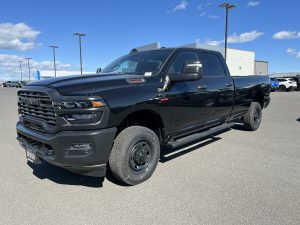
2026 Ram 2500 Tradesman
With a starting MSRP of $46,855, the Tradesman trim is the foundation of the Ram 2500 lineup. Designed for drivers who need reliable capability without unnecessary extras. it offers a durable interior, easy-to-use technology, and the power needed for towing and hauling demanding tools.
2026 Ram 2500 Big Horn
With a starting MSRP of $50,900, the Big Horn brings noticeable upgrades in both convenience and style. This trim adds enhanced interior materials, upgraded infotainment options, and additional driver-assist features. It is a balance between work-ready performance and modern comfort.
2026 Ram 2500 Laramie
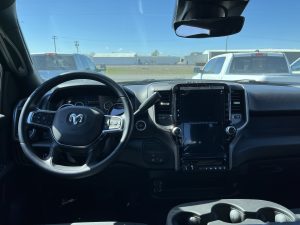
With a starting MSRP of $62,605, the Laramie offers a more upscale experience. Expect premium interior finishes, advanced technology features, and a quieter, more refined ride. The Laramie is well-suited for drivers who want heavy-duty strength and convenience.
Final Thoughts
The 2026 Ram 2500 offers a trim lineup that caters to a wide range of drivers, from hardworking professionals to those seeking a more refined heavy-duty truck. Visit Speck Chrysler Jeep Dodge Ram to explore current pricing and find the Ram 2500 that fits your needs. Also, be sure to check out our used Ram inventory and other new Ram models.
The information provided is for general informational purposes only and does not constitute legal, financial, or professional advice. While we strive to provide accurate and up-to-date information, we make no guarantees regarding the completeness, accuracy, or reliability of the information presented. Any action you take based on the context of this blog is strictly at your own risk. Always consult a qualified professional or specialist for advice specific to your situation. We are not responsible for any losses or damages arising from the use of this blog or its content.
New 2026 Jeep Grand Cherokee Laredo Highlights
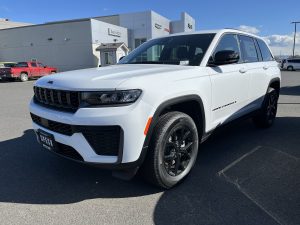
A Proven And Powerful Engine
The base Laredo is powered by a 3.6-liter V6 engine producing 293 horsepower and 260 lb-ft of torque. This engine has proven itself reliable across may years of Jeep Vehicles. It is paired with a smooth 8-speed automatic transmission for confident and comfortable shifting. The Grand Cherokee is also capable of towing up to 6,200 pounds, which is among the best you will find outside of a full-size SUV or pickup truck.Updated Styling and Design
The 2026 Grand Cherokee received a significant reduced of the lower front fascia, with a painted section splitting the lower grille in two. The upper grille continues Jeep’s iconic seven-slat motif but with new chrome or gloss black inserts and sharper angles. The signature also features a more dramatic curve in its LED lighting. These updates give the Grand Cherokee a fresh and modern look while staying true to its iconic Jeep identity.Standard Safety and Driver Assistance
Even the base Laredo now comes equipped with lane-keep assist and adaptive cruise control as standard features. These are features that were previously reserved for higher trims, making the Laredo an even better value. Having these features standard gives drivers added confidence on the highway and in heavy traffic. It is a welcome upgrade that shows Jeep’s commitment to keeping drivers safe at every price point.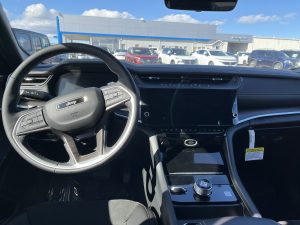
Final Thoughts
The 2026 Jeep Grand Cherokee Laredo is a well-rounded SUV that delivers capability, style, and safety at an accessible starting price. Whether you are tackling the daily commute or heading off-road, this SUV is ready for all. Visit Speck Chrysler Jeep Dodge Ram today to explore our Grand Cherokee inventory and take one for a test drive. Be sure to check out our other New Jeep inventory and used Jeeps as well!The information provided is for general informational purposes only and does not constitute legal, financial, or professional advice. While we strive to provide accurate and up-to-date information, we make no guarantees regarding the completeness, accuracy, or reliability of the information presented. Any action you take based on the context of this blog is strictly at your own risk. Always consult a qualified professional or specialist for advice specific to your situation. We are not responsible for any losses or damages arising from the use of this blog or its content.
New 2026 Dodge Durango Bluetooth Setup

The 2026 Dodge Durango is full of modern technology to keep you connected on the road. The most common feature is Bluetooth connectivity for calls, music, and navigation. At Speck Chrysler Jeep Dodge Ram, we want to make sure you get the most out of your new Durango. After the following steps, we have included a walkthrough video showing you how we got our phone connected.
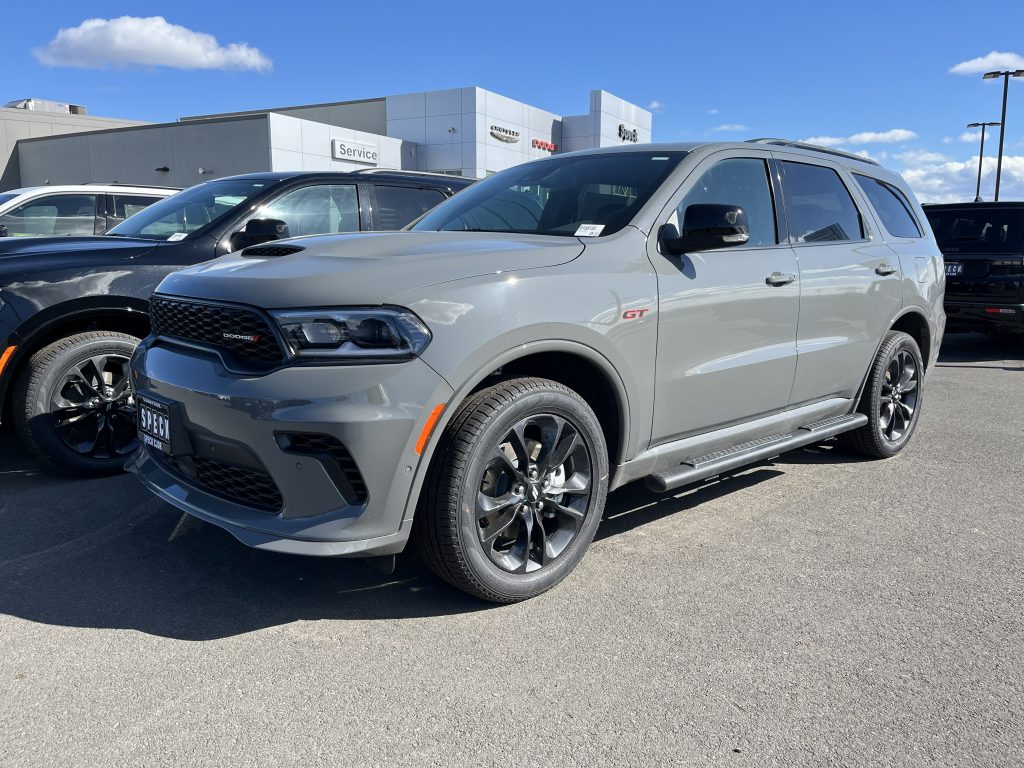
Prepare Your Phone
Before you begin, make sure that your phone’s Bluetooth is turned on. You can find this in your phones settings under “Bluetooth” or “Connections.” Make sure your phone is not connected to another device. Make sure to keep your phone close to your vehicle while you pair to help the process go smooth.
Access the Durango’s Bluetooth Settings
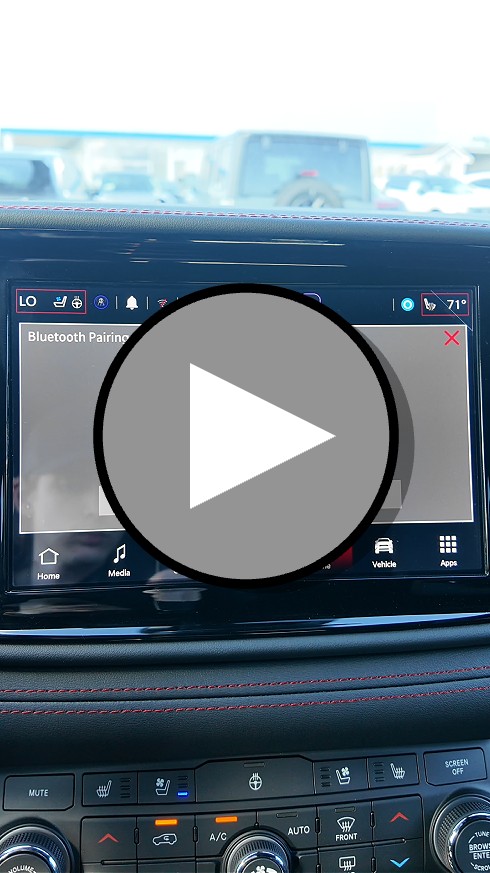
Start by turning on your Durango and navigate to the “Phone” menu on the infotainment system. Tap the “Settings” icon and then select “Bluetooth.” From there, select “Add Device” or “Pair a Device” to begin the pairing process. The system will then make the Durango discoverable to nearby devices.
Complete the Pairing
On your phone, look for the “Uconnect” in your list of available Bluetooth devices. Tap on it to begin the connection. A pairing code may appear on both your phone and on the infotainment screen. Simply confirm the code matches on both screens and accept to complete the pairing.
Final Thoughts
Once paired, your phone will automatically reconnect every time you start your Durango. It is a quick and easy process that makes every drive more enjoyable. If you need any help getting connected, you can stop by Speck Chrysler Jeep Dodge Ram and our team will be happy to assist you. Be sure to check out our full Dodge inventory while you’re here.
The information provided is for general informational purposes only and does not constitute legal, financial, or professional advice. While we strive to provide accurate and up-to-date information, we make no guarantees regarding the completeness, accuracy, or reliability of the information presented. Any action you take based on the context of this blog is strictly at your own risk. Always consult a qualified professional or specialist for advice specific to your situation. We are not responsible for any losses or damages arising from the use of this blog or its content.
How Can I Get the Trade-In Value on my Used Truck
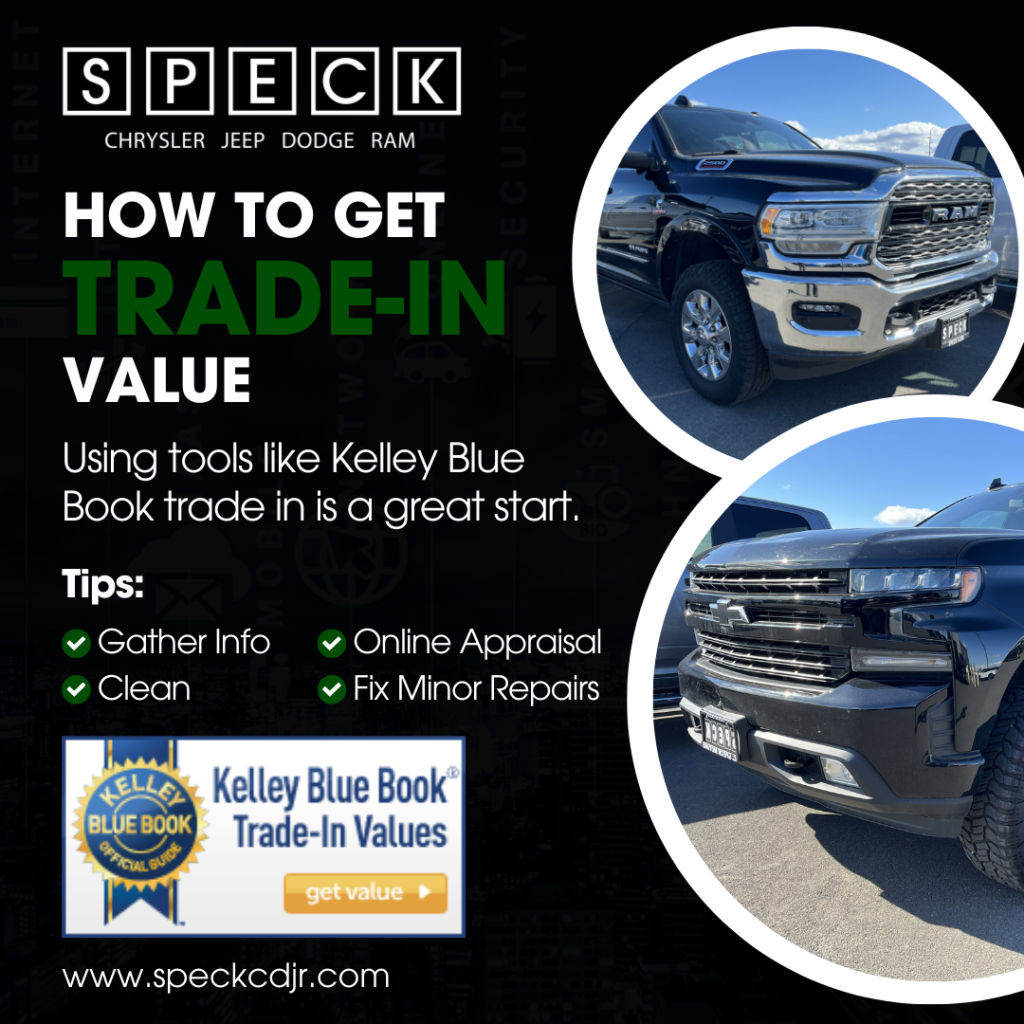
Trading in your used truck is one of the easiest ways to offset the cost of a new vehicle. Understanding how trade-in value works can help you get the best deal possible. At Speck Chrysler Jeep Dodge Ram, we make the trade-in process simple and straightforward. Using tools like Kelley Blue Book trade in is a great start.
What Affects Your Trade-In Value
Several factors influence how much your truck is worth. Mileage, condition, age, and market demand all have a factor. A well-maintained truck with lower miles will almost always receive a higher value. Having service records on hand can also work in your favor.
How to Prepare Your Truck
First impressions matter when bringing in your truck for an appraisal. Give it a thorough wash and clean out the interior before your visit. Take car of any minor repairs that are cost-effective to fix. Small details can make a noticeable differences in your final offer.
Getting Your Appraisal
The easiest way to start is by using an online trade-in tool, like Kelley Blue Book, all from your home. This gives you a ballpark estimate before you ever step foot in the dealership. From there, bring your truck in and one of our team members will do a full in-person appraisal. We work hard to get you a fair and competitive offer every time.
Final Thoughts
Knowing your trucks trade-in value puts you in a stronger position when shopping for your next vehicle. The process does not have to be stressful or confusing. Visit Speck Chrysler Jeep Dodge Ram today and let our team walk you through every step of the trade-in process. We see a lot of used trucks Tri Cities and used trucks Yakima and would love to see yours as well. Stop by and check out our large selection of new and used trucks available.
New 2026 Ram 1500 Favorite Model Features
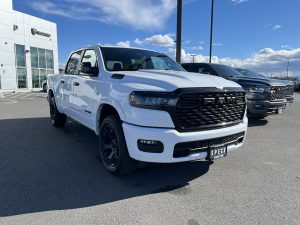
The 2026 Ram 1500 is constantly setting the bar for full-size pickups. With features that blend power, comfort, and technology the Ram 1500 is in the lead. No matter if you’re towing heavy equipment, driving with the family, or just cruising, key highlights make this truck a top option.
V8 Power and Sound with the 5.7L Hemi
Firstly, one standout feature is the V8 power and sound from the 5.7L Hemi that drivers love. This available engine delivers a smooth but commanding performance with powerful torque for hauling. The Ram 1500 can handle steep inclines, trailers, and demanding workloads all with that distinctive growl. The automatic transmission provides confidence at highway speeds as well as slower but heaver workload.
Cab Space for the Whole Family
On the other hand, the Ram 1500 can be a comfortable family hauler. Whether you choose the quad cab or the larger crew cab, there is room for plenty of passengers. You get generous legroom and headroom while still having storage space. You get the same comfort for everyday errands or weekend adventures.
Technology and Safety Features
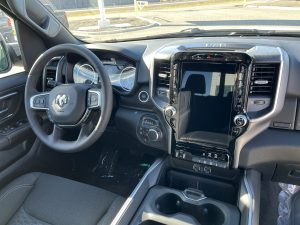
Tech and safety are very prevalent in the Ram 1500. Advanced infotainment systems and seamless smartphone integration helps you stay connected. Safety technologies such as adaptive cruise control, blind-spot monitoring and more to help with keeping you and your family protected. The Ram 1500 makes every drive more safe and comfortable.
Final Thoughts
Come on over to Speck Chrysler Jeep Dodge Ram to check out the 2026 Ram 1500 or any other Ram for yourself. We have many trained salespeople to answer any question you have. Be sure to tell them what your favorite feature is as well! We also over a large selection of used Ram trucks available for you to browse.
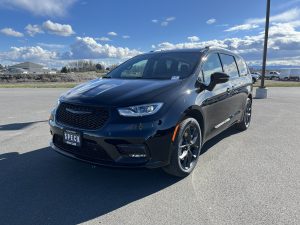
The 2026 Chrysler Pacifica perfectly combines comfort, versatility, and modern technology into a great family oriented minivan. Whether you’re taking the family on a road trip or your running simple errands on your own, the Pacifica’s interior is designed to make all your driving more enjoyable.
Comfortable and Flexible Seating
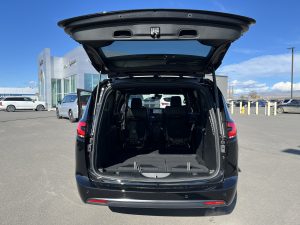
The Chrysler Pacifica interior offers spacious seating for up to seven or eight passengers, depending on your configuration. Chrysler’s Stow ‘n Go seating system, second and third-row seats that fold flat into the floor. This is used to create a larger cargo area without removing the seats entirely. Now you can get maximum Chrysler Pacifica cargo space.
Premium Materials and Advanced Technology
The Chrysler Pacifica inside comes available with heated and ventilated front seats. Also available is adjustable captain’s chairs help keep everyone comfortable on long drives. On the technology side, you get a 10.1-inch touchscreen infotainment system that supports Apple CarPlay and Android Auto.
Family Friendly Features
The Pacifica includes the detail you need for everyday life, such as three-zone climate control, multiple USB ports, rear window shades, and available in-cab vacuum to make every cleanup easier.
Test Drive a Chrysler Pacifica Today
Explore the flexible seating, premium materials and technology focused design. The 2026 Chrysler Pacifica trunk space and interior is the top of the line in term of comfort and practicality. Whether you’re driving with family, friends, or cargo, the Pacifica delivers a spacious and smart interior cabin. Come on over to Speck Chrysler Jeep Dodge Ram in Sunnyside to check out the Chrysler Pacifica’s and take one for a test drive.
The information provided is for general informational purposes only and does not constitute legal, financial, or professional advice. While we strive to provide accurate and up-to-date information, we make no guarantees regarding the completeness, accuracy, or reliability of the information presented. Any action you take based on the context of this blog is strictly at your own risk. Always consult a qualified professional or specialist for advice specific to your situation. We are not responsible for any losses or damages arising from the use of this blog or its content.
When to Replace Your Windshield Wipers
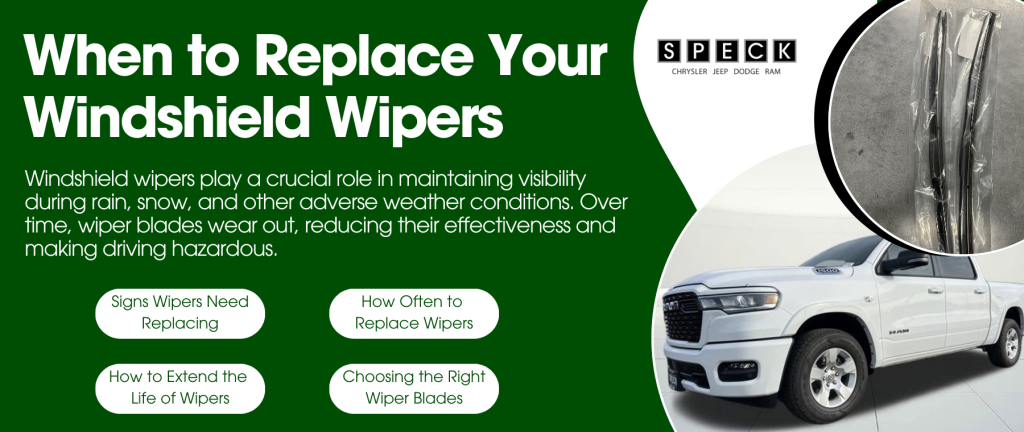
Windshield wipers play a crucial role in maintaining visibility during rain, snow, and other adverse weather conditions. Over time, wiper blades wear out, reducing their effectiveness and making driving hazardous. Knowing when to replace your windshield wipers ensures optimal performance and safety on the road.
1. Signs That Your Windshield Wipers Need Replacing
If you notice any of the following signs, it’s time to replace your wipers:
- Streaking or Smearing: If your wipers leave streaks on the windshield, they may be worn out or have dirt buildup.
- Skipping or Chattering: Wipers that bounce or skip across the glass indicate hardened rubber or an uneven edge
- Squeaking Noises: A loud, high-pitched squeak often means the rubber is dry and no longer making proper contact with the glass.
- Cracked or Torn Rubber: Inspect the blades for visible cracks or splits, which reduces their effectiveness.
- Reduced Visibility in Rain or Snow: If your wipers struggle to clear the windshield properly, replacing them can improve your visibility and safety.
2. How Often Should You Replace Windshield Wipers?
Most experts recommend replacing windshield wipers every 6 to 12 months, but factors like climate and usage may affect their lifespan. Consider replacing them sooner if you:
- Frequently drive in extreme weather conditions (heat, cold, rain, or snow).
- Notice a significant drop in performance.
- See visible wear or damage on the blades.
3. How to Extend the Life of Your Windshield Wipers
To maximize the lifespan of your wipers, follow these maintenance tips:
- Clean Your Windshield Regularly: Dirt and debris can cause excessive wear on the rubber blades.
- Wipe Down the Blades: Use a damp cloth or wiper cleaner to remove buildup and keep the rubber flexible.
- Lift Wipers During Freezing Weather: Prevent ice buildup that can crack or tear the rubber.
- Use the Right Washer Fluid: Avoid harsh chemicals that may degrade the rubber over time.
- Replace Wipers in Pairs: Ensure even performance by changing both wipers at the same time.
4. Choosing the Right Wiper Blades
When selecting new wipers, consider the following options:
- Conventional Blades: Standard, budget-friendly option found on most vehicles.
- Beam Blades: More durable, better at handling extreme weather, and offer a sleeker design.
- Hybrid Blades: Combine durability and aerodynamic efficiency for improved performance.
Check your vehicle’s owner’s manual for the correct size and type of wipers before purchasing replacements.
Replace Your Windshield Wipers Today
Windshield wipers are essential for clear visibility and safe driving. Don’t wait until a storm hits, inspect and replace your wipers as needed to stay safe on the road. Contact the Speck Chrysler Jeep Dodge Ram service department and talk to our trained professionals.
The information provided is for general informational purposes only and does not constitute legal, financial, or professional advice. While we strive to provide accurate and up-to-date information, we make no guarantees regarding the completeness, accuracy, or reliability of the information presented. Any action you take based on the context of this blog is strictly at your own risk. Always consult a qualified professional or specialist for advice specific to your situation. We are not responsible for any losses or damages arising from the use of this blog or its content.
Sunnyside Used Truck Dealer
Speck Chrysler Jeep Dodge Ram is your go-to dealership if you are looking for a used truck for sale. We have a large variety of brands in our used truck inventory including, Chevrolet, Ford, GMC, and Dodge Ram. Along with our gasoline trucks, we provide a large selection of used diesel trucks.
Reasons to Buy a Diesel Truck
Used diesel trucks offer major advantages for Tri-Cities drivers that need that boost of strength, efficiency, and long-term durability. Diesel engines are commonly known for their torque production, making them an ideal candidate for towing heavy equipment to and from the job site or hauling a trailer for a fun filled weekend. Choosing to go with a used diesel trucks give you all these benefits all while at an affordable price point making it a smart investment for your needs.
Used Truck Specials
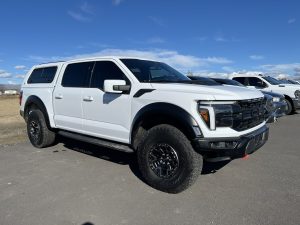
Browse limited-time offers on used trucks, including the Ram 1500. Keep an eye on our current specials to find out if the perfect trucks for you has an even more perfect price to go along with it.
Test Drive in Sunnyside, WA Today
If you’re looking for a dependable truck at better price point, Speck Chrysler Jeep Dodge Ram offers a wide selection. Call 509-402-2705 for visit us in Sunnyside today!
The information provided is for general informational purposes only and does not constitute legal, financial, or professional advice. While we strive to provide accurate and up-to-date information, we make no guarantees regarding the completeness, accuracy, or reliability of the information presented. Any action you take based on the context of this blog is strictly at your own risk. Always consult a qualified professional or specialist for advice specific to your situation. We are not responsible for any losses or damages arising from the use of this blog or its content.
Who Pays for Safety Recalls?

When a vehicle has a safety recall, many owners worry about the costs involved. Fortunately, automakers and government regulations ensure that necessary repairs are taken care of at no cost to you. Here’s how it works:
What Is a Safety Recall?
A safety recall is issued when a vehicle manufacturer or the National Highway Traffic Safety Administration (NHTSA) identifies a defect that could impact safety.
Who Covers the Cost of Repair?
The manufacturer pays for safety recall repairs.
How to Check for a Recall:
- Check the manufacturer’s website for recall notices.
- Watch for recall notices via mail or email.
- Check the NHTSA website.
Who Can Repair a Safety Recall?
Only manufacturer service centers can handle all recall repairs.
Schedule Service Appointment
Don’t wait, schedule a recall appointment at Speck Chrysler Jeep Dodge Ram as soon as possible.
The information above is for general informational purposes only and does not constitute legal, financial, or professional advice. While we strive to provide accurate and up-to-date information, we make no guarantees regarding the completeness, accuracy, or reliability of the information. Any action you take from the context of this blog is strictly at your own risk. Always consult a qualified professional or specialist for advice specific to your situation. We’re not responsible for any losses or damages arising from the use of this blog or its content.
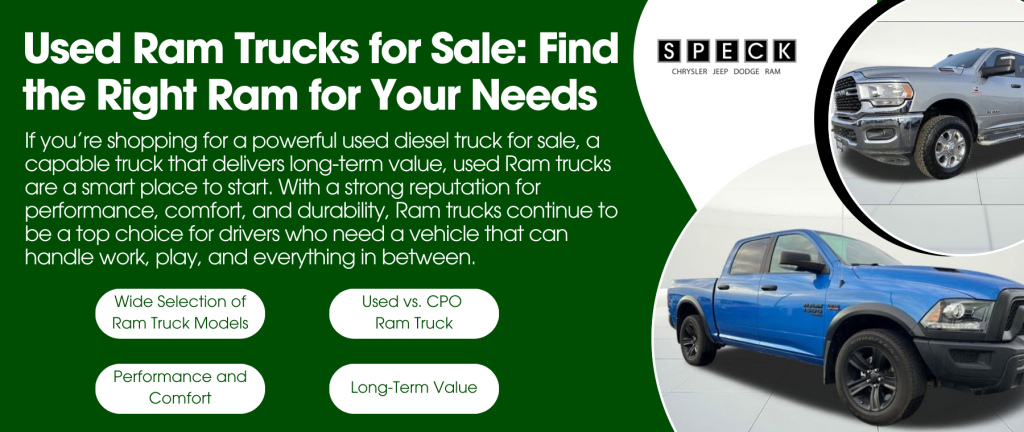
If you’re shopping for a powerful used diesel truck for sale. A capable truck that delivers long-term value? Used Ram trucks are a smart place to start. With a strong reputation for performance, comfort, and durability. Ram trucks continue to be a top choice for drivers who need a vehicle that can handle work, play, and everything in between. Whether you’re looking for a light-duty pickup or a heavy-duty workhorse, there’s a used Ram that fits your lifestyle.
A Wide Selection of Ram Truck Models
Our inventory regularly features a variety of Ram 1500, Ram 2500, and Ram 3500 models. Providing shoppers flexibility based on their needs. The Ram 1500 is a popular choice for everyday driving. It offers a smooth ride, advanced technology, and impressive towing capability. For drivers who need more muscle, the Ram 2500 and 3500 offer heavy-duty performance designed for hauling, towing, and demanding job sites, while still providing modern interior comforts.
Used vs. Certified Pre-Owned Ram Trucks
Shoppers can often choose between standard used Ram trucks and Certified Pre-Owned (CPO) Ram trucks. Used models offer excellent value and a wide range of trims, mileages, and price points. Certified Pre-Owned Ram trucks take things a step further by undergoing a detailed inspection process. It also typically includes added warranty coverage and roadside assistance. This makes CPO options a great fit for buyers who want extra peace of mind with their pre-owned purchase.
Performance, Capability, and Everyday Comfort
Ram trucks are known for blending strength with refinement. Even in used models, you’ll often find features like advanced infotainment systems, spacious crew cabs, and driver-assistance technologies that make daily driving more enjoyable. From towing trailers and hauling equipment to commuting or road trips, Ram trucks are built to handle a wide range of tasks without sacrificing comfort.
Long-Term Value and Reliability
Buying a used Ram truck can be a smart financial decision. Pre-owned trucks typically offer lower upfront costs while still delivering years of reliable performance. With proper maintenance, Ram 1500, 2500, and 3500 models are built to go the distance, making them a solid investment for drivers who want capability without paying new-vehicle prices.
Finding the Right Used Ram Truck
Because inventory is always changing, it’s easy to find a mix of trims, configurations, and price ranges when shopping for used Ram trucks. Whether you’re focused on towing capacity, interior features, or overall value, having multiple options makes it easier to match a truck to your specific needs and budget.
Explore the Used Ram Truck Line-Up
Used Ram trucks offer a powerful combination of capability, comfort, and value that appeals to a wide range of drivers. With options across the Ram 1500, 2500, and 3500 lineup, and the choice between used and Certified Pre-Owned models. Speck is a popular used truck dealer. You can find a truck that fits your lifestyle today and for years to come.
The information provided is for general informational purposes only and does not constitute legal, financial, or professional advice. While we strive to provide accurate and up-to-date information, we make no guarantees regarding the completeness, accuracy, or reliability of the information presented. Any action you take based on the context of this blog is strictly at your own risk. Always consult a qualified professional or specialist for advice specific to your situation. We are not responsible for any losses or damages arising from the use of this blog or its content.
Connect with us
