





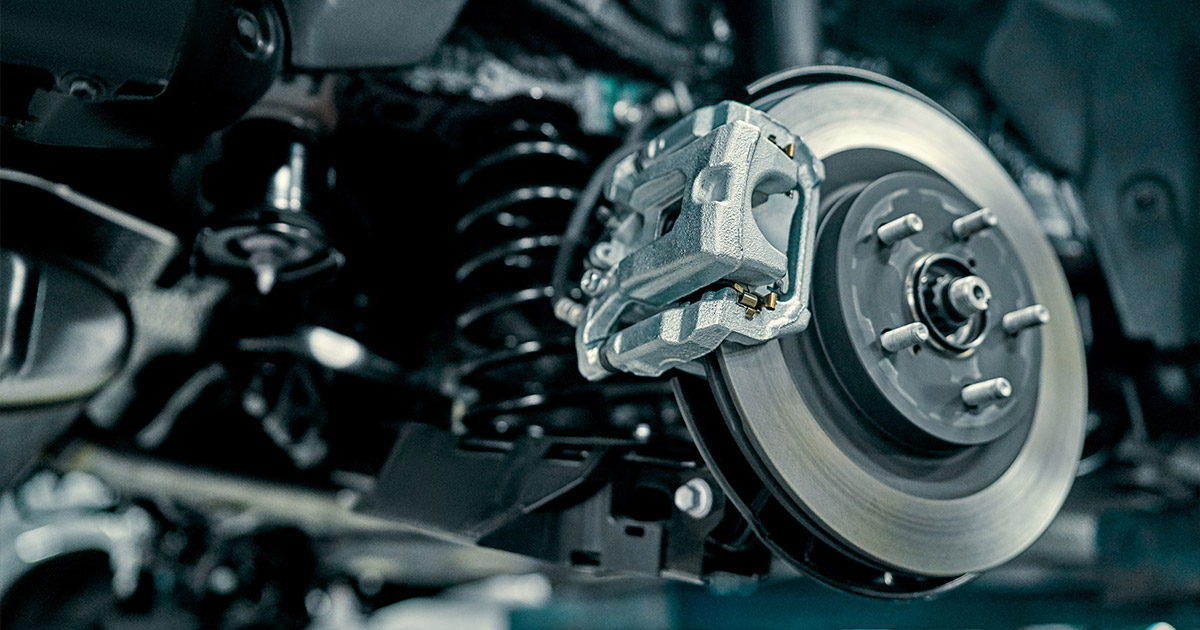
Experiencing vibrations when you press on your brakes can be unsettling and a sign of potential issues with your vehicle’s braking system. Identifying the cause early can help prevent more significant problems and ensure your safety on the road. Here are some common reasons why your vehicle may be vibrating when you brake and what you can do about it.
Warped Brake Rotors
Brake rotors can become warped over time due to excessive heat and wear. When this happens, the brake pads cannot make smooth contact with your rotor surface, causing vibrations when braking. You might notice the shaking is more pronounced when slowing down from high speeds. Resurfacing or replacing the rotors can help resolve this issue.
Worn or Uneven Brake Pads
Brake pads wear down over time, and if they become uneven, they may cause vibrations when pressed against the rotors. Using low-quality brake pads or not replacing them regularly can also contribute to the problem. Inspecting and replacing brake pads when they show signs of wear can help maintain smooth braking performance.
Stuck Brake Calipers
Brake calipers apply pressure to the brake pads, allowing them to grip the rotors and slow down your vehicle. If a caliper becomes stuck or fails to release properly, it can cause uneven braking and vibrations. Yu may also notice a burning smell or a pulling sensation when braking. Addressing caliper issues promptly can prevent further damage to the braking system.
Suspension or Steering Problems
Sometimes, the issue isn’t directly related to the brakes. Worn suspension components, such as control arms or bushings, can create instability that manifest as vibrations when braking. Similarly, steering system issues, such as worn tie rods or ball joints, can contribute to the problem. A thorough inspection of these components can help diagnose and fix the issue.
Wheel Alignment and Tire Issues
Misaligned wheels or unbalanced tires can also cause vibrations, especially when braking. If you notice uneven tire wear or your vehicle pulling to one side, it may be time to check your wheel alignment and balance. Keeping your tires properly inflated and rotated can also help prevent vibrations.
What to Do Next
If you experience vibrations when braking, it’s essential to address the issue as soon as possible. Here’s what you can do:
- Schedule a brake inspection with a certified mechanic.
- Check for uneven brake pad wear and replace them if necessary.
- Have your brake rotors inspected and resurfaced or replaced if needed.
- Ensure your wheel alignment and tire balance are correct.
- Inspect suspension and steering components for any signs of wear or damage.
Diagnose Car Brake Issues
Vibrations when braking can be cause by various factors, from warped rotors to suspension issues. Identifying the root cause early can help maintain your vehicle’s performance and ensure a safe driving experience. If you’re unsure about the cause, let a certified technician inspect diagnose your brake troubles.
The information provided is for general informational purposes only and does not constitute legal, financial, or professional advice. While we strive to provide accurate and up-to-date information, we make no guarantees regarding the completeness, accuracy, or reliability of the information presented. Any action you take based on the context of this blog is strictly at your own risk. Always consult a qualified professional or specialist for advice specific to your situation. We are not responsible for any losses or damages arising from the use of this blog or its content.
Connect with us
