




Speck Chrysler Jeep Dodge Ram

Blog / Car Tips

Blog

All Car Tips Automotive Service and Repair Jeep Ram Automotive How-To Guides Chrysler Dodge Auto Parts Automotive Financing Automotive Lease Dealership Blog Fleet and Commercial Vehicles Holiday Trade-in Value Used Cars, Trucks and SUVs Local Events Sales
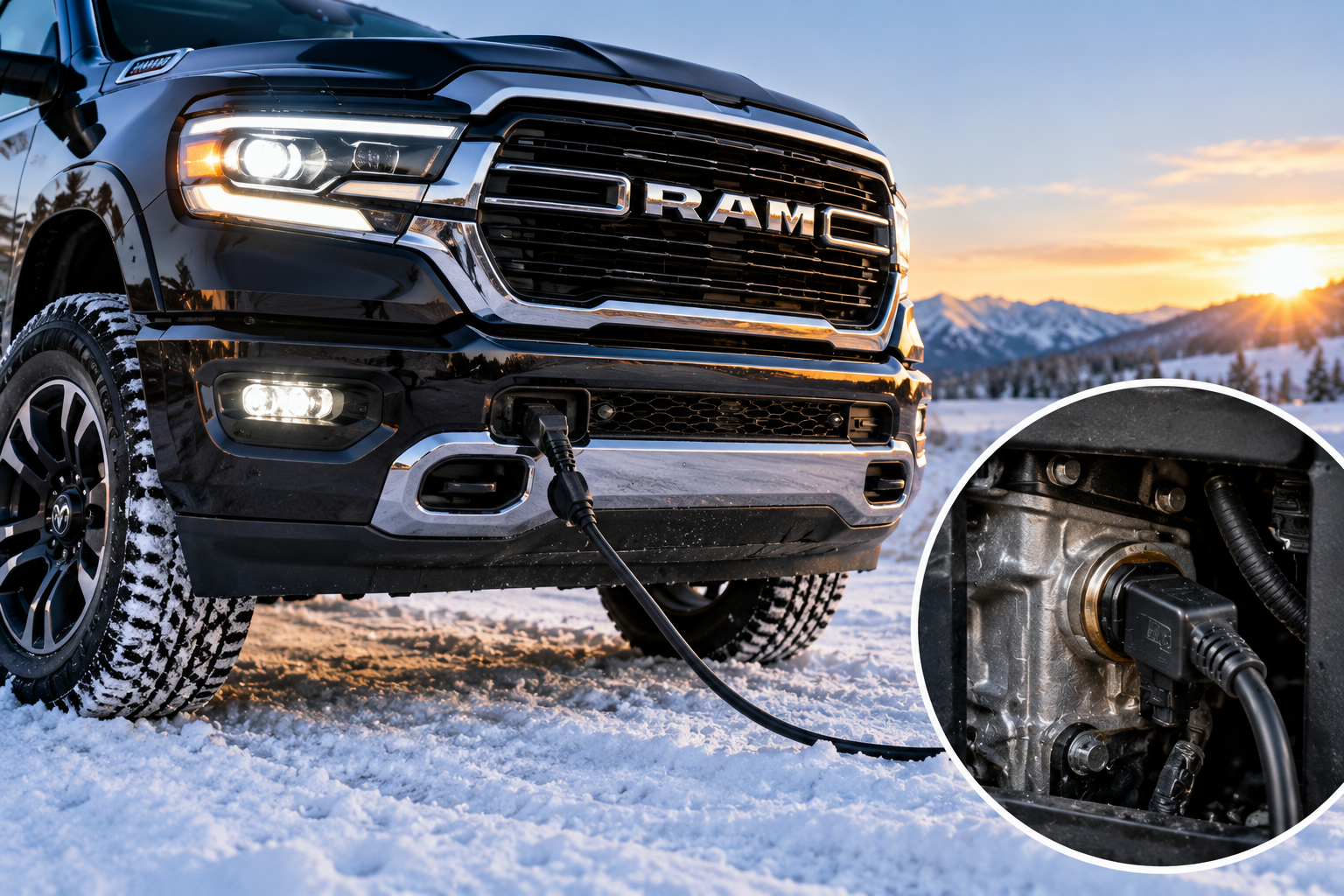
ram-with-a-block-heater

Block Heaters for Diesel Ram Trucks: Do You Need One in Washington?

If you own a diesel Ram truck in the Yakima Valley or Tri-Cities area, you may have wondered whether a block heater is worth the investment during Eastern Washington winters. Cold weather and diesel engines have a complicated relationship that every Ram diesel owner in Washington State should understand. Here is everything you need to know about block heaters for diesel Ram trucks from our team at Speck CDJR in Sunnyside. What Is a Block Heater? A block heater is an electric heating element installed directly into your engine block that keeps coolant and internal components warm during cold overnight parking. Most diesel Ram trucks including the Ram 2500 and Ram 3500 with the available 6.7L Cummins diesel come with a factory-installed block heater already in place. The block heater plugs into a standard 110 to 120 volt electrical outlet using a power cord typically routed through the front grille area of your truck. Why Diesel Engines Struggle in Cold Weather Higher Compression Requirements Diesel engines ignite fuel through compression heat rather than spark plugs. Cold temperatures reduce the compression heat available during cranking making cold diesel starts significantly harder than warm weather starts. Thicker Oil in Cold Temperatures Diesel engines typically use heavier viscosity oil creating more resistance during cold weather cranking. A block heater keeps your oil warmer and more fluid reducing the resistance your starter system faces during cold Yakima Valley winter mornings. Glow Plugs Work Harder Extremely cold temperatures force your glow plugs to work longer and harder before the engine will fire. A block heater reduces the glow plug workload by pre-warming the engine before your glow plug cycle begins each morning. Diesel Fuel Gelling Diesel fuel can begin to gel in extremely cold temperatures reducing fuel flow to your injection system. A block heater helps maintain fuel system temperatures that reduce the risk of diesel fuel gelling during the coldest Yakima Valley winter nights. Do You Need a Block Heater in Eastern Washington? The answer for most Yakima Valley and Tri-Cities diesel Ram owners is yes. Here is why: Eastern Washington Winter Temperatures Sunnyside, Prosser, Kennewick, Richland, and Pasco regularly experience overnight lows dropping into the teens and single digits during peak winter months. The Cummins diesel in your Ram 2500 or Ram 3500 performs significantly better on cold Washington mornings when pre-warmed with a block heater the night before. Agricultural Operations Yakima Valley farmers and ranchers who rely on their diesel Ram trucks for early morning harvest and livestock operations cannot afford a no-start situation during critical periods. A block heater provides the insurance of reliable cold weather starting when your farm operation depends on your truck being ready before sunrise. Mountain Pass Trips Ram diesel owners who regularly travel Cascade mountain passes on US-12 or Snoqualmie Pass encounter significantly colder temperatures at elevation. Parking overnight at mountain destinations where temperatures can drop well below zero makes a block heater essentially mandatory for reliable cold morning starting. At What Temperature Should You Plug In? Overnight Low Temperature Block Heater Recommendation Above 20°F Optional but beneficial for easier starts 10°F to 20°F Recommended for reliable cold morning starts 0°F to 10°F Strongly recommended for all diesel Ram owners Below 0°F Essential for reliable starting and engine protection Most diesel truck experts recommend plugging in your block heater when overnight temperatures are expected to drop below 20 degrees Fahrenheit. How Long Should You Leave It Plugged In? Minimum Time Plug in your block heater for at least two hours before your planned startup for meaningful cold weather benefit. Optimal Time Most diesel experts recommend four to eight hours before startup for optimal cold weather performance. Many Eastern Washington diesel Ram owners simply plug in before bed and unplug before their morning commute. Use a Timer Consider using an inexpensive outlet timer to automatically engage your block heater two to four hours before your typical morning departure. A timer eliminates the need to remember to plug in each night and prevents unnecessary electricity consumption of running the heater all night long. Block Heater vs Other Cold Weather Solutions Block Heater vs Battery Blanket A block heater warms your engine while a battery blanket warms your battery directly. Both are valuable cold weather tools and many serious diesel Ram owners in Eastern Washington use both simultaneously during the coldest winter nights. Block Heater vs Diesel Fuel Additives Diesel fuel additives help prevent fuel gelling but do not warm your engine or reduce oil viscosity like a block heater does. Anti-gel additives and a block heater are complementary solutions many Eastern Washington diesel Ram owners use together during peak winter months. Block Heater vs Synthetic Oil Switching to full synthetic engine oil with a lower cold temperature viscosity significantly improves cold weather start performance. Using full synthetic oil and a block heater together provides the best possible cold weather protection for your diesel Ram during Eastern Washington winters. How to Use Your Block Heater Step 1: Locate the Power Cord Your Ram 2500 or Ram 3500 block heater power cord is typically routed through the front grille area. Look for an orange or black power cord with a standard three-prong plug near the lower front grille opening. Step 2: Connect to a Grounded Outlet Plug your block heater into a grounded 110 to 120 volt outdoor-rated electrical outlet. Always use a heavy-duty outdoor-rated extension cord if your parking location requires one. Step 3: Verify Connection Many block heaters have a small indicator light that illuminates when operating correctly. Check for this indicator light after plugging in to verify your block heater is functioning as expected. Step 4: Unplug Before Starting Always unplug your block heater before starting and moving your Ram truck. Driving away with the power cord still connected can damage your block heater, cord, outlet, and anything in the cord's path. Is Your Block Heater Working? Touch Test After plugging in for two to three hours, carefully feel the upper radiator hose near the engine. A functioning block heater warms the coolant making the upper radiator hose noticeably warmer than ambient temperature. A hose that remains cold after several hours may indicate a failed block heater element. Have It Tested at Speck CDJR If you are not sure whether your diesel Ram's block heater is functioning correctly, bring it to our service team at Speck CDJR in Sunnyside for a quick professional test. We can verify block heater function and replace a failed heating element before the coldest Eastern Washington temperatures arrive. Schedule Your Diesel Ram Service at Speck CDJR Ready to prepare your diesel Ram for Eastern Washington winter with a block heater test, oil change, and complete winter inspection? Our certified service team at Speck CDJR in Sunnyside is ready to help. Here is how to schedule your appointment today: Online: Visit our website and click "Schedule Service" By Phone: Call our service department directly Walk-In: Stop by during service hours for same-day diesel Ram service Do not let a cold Eastern Washington winter morning reveal a failed block heater in your diesel Ram. Stop by Speck CDJR in Sunnyside today and let our certified team make sure your Cummins diesel is ready to start reliably on every cold morning this winter season. The information provided is for general informational purposes only and does not constitute legal, financial, or professional advice. While we strive to provide accurate and up-to-date information, we make no guarantees regarding the completeness, accuracy, or reliability of the information presented. Any action you take based on the context of this blog is strictly at your own risk. Always consult a qualified professional or specialist for advice specific to your situation. We are not responsible for any losses or damages arising from the use of this blog or its content.
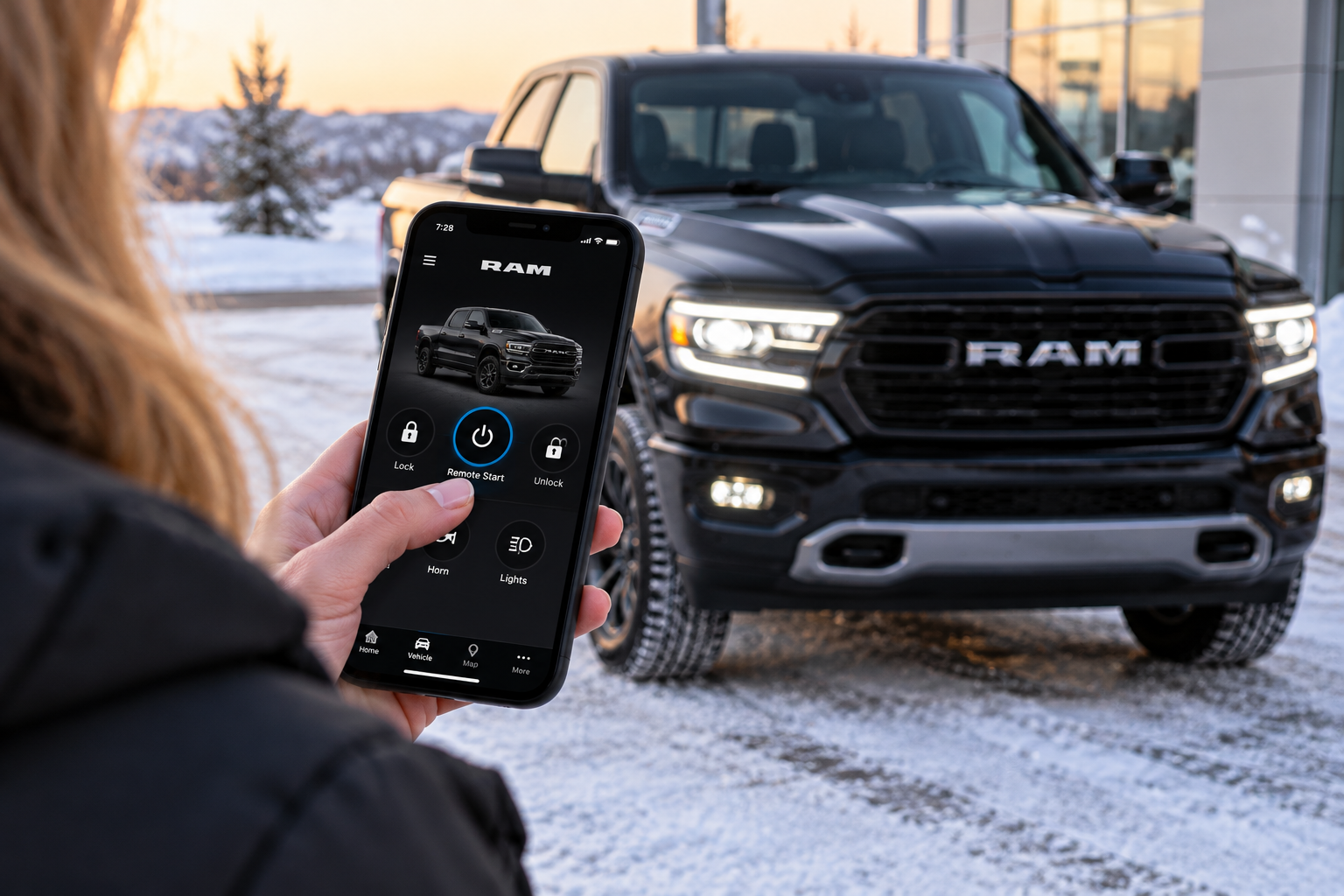
remote-start-in-the-snow

Remote Start in Your Jeep, Ram, or Dodge: How It Works and How to Use It From the App

If you own a new Jeep, Ram, or Dodge vehicle, you may have access to one of the most convenient features available on any modern vehicle today. Remote start allows you to start your engine from virtually anywhere using your key fob or the Uconnect smartphone app. Here is everything Sunnyside and Yakima Valley CDJR owners need to know about remote start from our team at Speck CDJR. Why Remote Start Matters in the Yakima Valley Summer Heat Kennewick, Richland, Pasco, and Sunnyside regularly experience summer temperatures exceeding 100 degrees Fahrenheit. A vehicle parked in the sun can reach interior temperatures of 140 to 160 degrees during peak summer heat. Remote starting your Jeep, Ram, or Dodge 10 to 15 minutes before you get in allows the AC to cool the interior to a comfortable temperature before you ever open the door. Winter Cold Eastern Washington winters bring freezing temperatures that make cold vehicle interiors genuinely uncomfortable and potentially dangerous. Remote starting your vehicle before departure allows the heater to warm the cabin and begin defrosting your windshield. A pre-warmed engine also reduces cold start wear on internal components during frigid Yakima Valley winter mornings. How Does Remote Start Work? When you activate remote start, a signal is sent to your vehicle's body control module instructing it to start the engine. Your vehicle checks several safety conditions before allowing the engine to start remotely. All doors must be closed and locked, the hood must be fully closed, and the transmission must be in Park. Your engine then runs at idle for a preset period while your climate control activates based on your last settings. Remote Start Safety Features The transmission must be in Park before remote start will activate All doors must be closed and the vehicle must be locked before remote start is available If someone opens a door during a remote start session the engine shuts down automatically Pressing the brake pedal during remote start shuts the engine off unless a valid key is present The engine automatically shuts off after the preset run time if you do not enter and drive Using Remote Start With Your Key Fob Press the lock button once on your key fob to ensure your vehicle is locked. Then press and hold the remote start button marked with a circular arrow symbol for approximately two seconds. Your vehicle's lights will flash and the engine will begin running. Standard key fob remote start typically works within a range of approximately 100 to 300 feet depending on your specific vehicle and any obstructions. Using Remote Start With the Uconnect App The Uconnect app provides significantly more capability than the standard key fob including virtually unlimited remote start range from anywhere with a cellular signal. Here is how to get set up and use remote start through the Uconnect app: Step 1: Download the Uconnect App Download the free Uconnect app from the App Store on iPhone or Google Play Store on Android. Step 2: Create Your Account and Add Your Vehicle Create a free Uconnect account and add your vehicle by entering your VIN or scanning the QR code in your owner information packet. Follow the on-screen prompts to complete the vehicle registration and pairing process. Step 3: Activate Your Connected Services Subscription Remote start through the Uconnect app requires an active connected services subscription. New vehicle purchases typically include a trial period at no additional cost. Contact our team at Speck CDJR for current subscription pricing and options for your specific vehicle. Step 4: Remote Start Your Vehicle Open the Uconnect app and tap the Remote Start button on the home screen. Confirm the activation and the app sends the start command to your vehicle through the cellular network. You will receive a confirmation notification within a few seconds confirming your vehicle has started successfully. Step 5: Enter and Drive Enter your vehicle normally and press the brake pedal with your key fob or phone present. Your vehicle seamlessly transitions from remote start mode to normal driving mode without any interruption. Uconnect App Remote Start Tips Set a Comfortable Pre-Drive Temperature Always set your climate control to your preferred temperature before exiting your vehicle each day. Your Jeep, Ram, or Dodge will use those settings automatically during the next remote start session. Use the Scheduled Start Feature Many Uconnect vehicles support a scheduled remote start that automatically starts your vehicle at a preset time each morning. Set a scheduled start for 15 minutes before your typical departure time during summer and winter months. Check Your Vehicle Status Before Remote Starting Verify that all doors are closed and the vehicle is locked before attempting a remote start. A door or hood that is ajar will prevent remote start from activating regardless of how many times you attempt it. Which Models Have Remote Start? Remote start is available on a wide range of Jeep, Ram, and Dodge models at Speck CDJR. Here is a general overview: Jeep: Wrangler, Grand Cherokee, Gladiator, and Compass on select trims Ram: Ram 1500, Ram 2500 HD, and Ram 3500 HD on select trims Dodge: Dodge Durango and Dodge Hornet on select trims Always verify remote start availability on your specific trim level with our team at Speck CDJR before purchasing. Remote start availability varies by trim and may require a specific technology or convenience package. Get Help Setting Up Remote Start at Speck CDJR Have questions about setting up remote start or the Uconnect app on your Jeep, Ram, or Dodge? Our team at Speck CDJR in Sunnyside is here to help you get the most out of every feature in your new vehicle. Here is how to reach us: Online: Visit our website and submit an inquiry or schedule a technology walkthrough By Phone: Call our sales or service team directly Walk-In: Stop by during business hours for a complete remote start setup walkthrough We want every Speck CDJR customer to feel completely comfortable with every feature in their new vehicle. Stop by Speck CDJR in Sunnyside today and let our team walk you through the complete Uconnect remote start setup process.

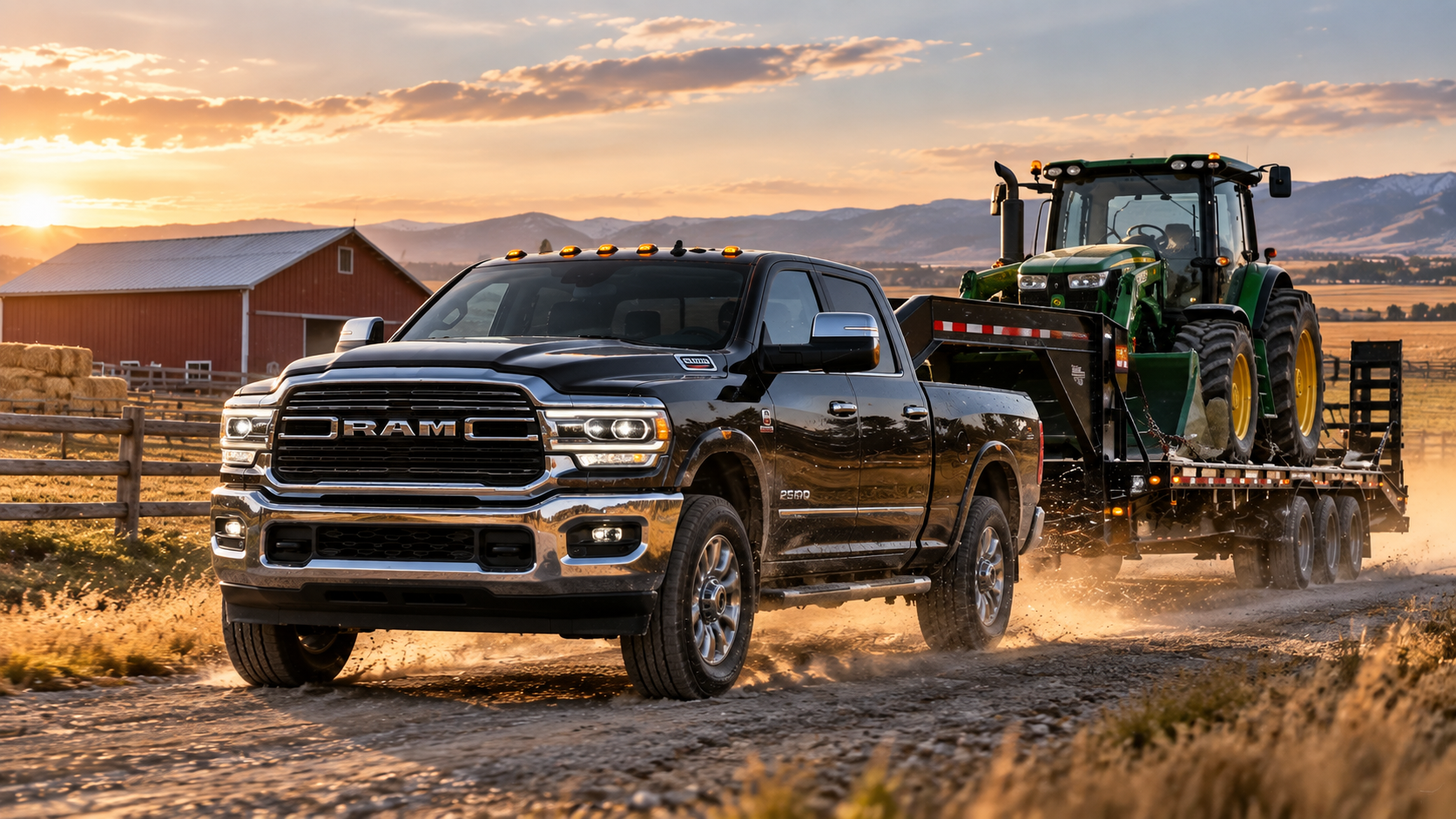
ram-hauling-a-trailer-on-farm-land

Harvest Season Hauling: How Yakima Valley Farmers Use Ram Trucks

The Yakima Valley is one of the most productive agricultural regions in the entire Pacific Northwest. From apple and hop orchards to wine grapes and asparagus fields, Yakima Valley farmers haul heavier loads than almost any other drivers in Eastern Washington. A reliable and capable truck is not a luxury for a Yakima Valley farmer. It is an absolute daily necessity that affects productivity and safety every single harvest season. Here is how Yakima Valley farmers use Ram trucks during harvest season and why Speck CDJR in Sunnyside is the preferred Ram dealer for agricultural buyers across Benton and Yakima Counties. The Yakima Valley: One of the Hardest Working Truck Markets in Washington Yakima Valley and Benton County agriculture puts trucks through conditions most urban drivers never encounter. Here is a snapshot of the agricultural work that defines harvest season truck use in our region: Apple and pear harvests run from late summer through fall requiring constant equipment and bin hauling Hop harvest in Yakima County is one of the most intensive harvest operations in North America Wine grape harvest across Benton County and the Horse Heaven Hills runs from late August through October Hay and grain operations demand serious payload and towing capability throughout the growing season Livestock operations across Benton and Yakima Counties require reliable year-round trailer towing What Yakima Valley Farmers Actually Haul Fruit Bins and Harvest Equipment A standard apple or pear harvest bin weighs approximately 1,000 pounds when fully loaded with fresh fruit. Most fruit growers haul multiple bins per load throughout the harvest day using their pickup and a flatbed or bin trailer. The weight and frequency of these loads demand a truck with genuine payload and towing capability rather than just on-paper numbers. Livestock and Trailers A loaded two-horse trailer weighs approximately 6,000 to 8,000 lbs and a loaded stock trailer with cattle can easily exceed 15,000 to 20,000 lbs. These towing demands are exactly what the Ram 2500 and Ram 3500 with the available Cummins diesel engine are specifically designed to handle every single day. Feed, Grain, and Irrigation Equipment Hauling bulk feed, grain, and irrigation supplies to and from Yakima Valley farms is a year-round necessity that puts constant payload demands on any farm truck. A ton of feed or grain in the truck bed is a common load for Yakima Valley farmers on any given working day throughout the year. Vineyard and Hop Yard Equipment Moving vineyard spray rigs, hop harvest machinery, and agricultural equipment across Benton County wine country puts significant stress on truck suspensions and drivetrains. The rough field access roads across the Horse Heaven Hills and Rattlesnake Hills are demanding on any farm truck throughout the harvest season. Which Ram Trucks Do Yakima Valley Farmers Choose? Small Orchard and Vineyard Operations Smaller family operations with lighter daily hauling needs often find the Ram 1500 with the available 5.7L Hemi V8 or Hurricane twin-turbo I6 meets their everyday farm truck requirements. The Ram 1500 handles moderate bin hauling, equipment transport, and supply runs efficiently. Mid-Size and Large Farming Operations Mid-size to large Yakima Valley farming operations almost universally choose the Ram 2500 as their primary farm and harvest truck. The Ram 2500's higher payload rating, stronger frame, and available Cummins diesel engine provide the sustained capability that serious agricultural operations demand throughout a long and demanding harvest season. Heavy Commercial Agricultural Operations The largest commercial farming operations often run Ram 3500 trucks with the available Cummins High Output diesel and dual rear wheel configuration. The Ram 3500 dually provides maximum payload and towing stability for the heaviest agricultural hauling tasks including loaded gooseneck equipment trailers across Eastern Washington. Why Ram Trucks Are the Preferred Choice for Yakima Valley Farmers Cummins Diesel Reliability The available 6.7L Cummins turbo diesel has earned a legendary reputation for durability and longevity among agricultural users. Yakima Valley farmers who run Ram trucks with the Cummins diesel regularly report reaching 200,000 to 300,000 miles with proper maintenance. In a farming operation where truck downtime during harvest season directly costs money, that legendary diesel reliability matters enormously. Best-in-Class Towing and Payload The Ram 2500 and Ram 3500 consistently earn best-in-class or near-best-in-class towing and payload ratings in the heavy-duty segment. For Yakima Valley farmers who regularly operate at or near maximum limits during harvest season, these numbers represent the actual margin of safety that keeps farm operations running smoothly. Interior Quality and Comfort Ram trucks offer a genuinely premium interior that rewards hard-working Yakima Valley farmers with a comfortable place to spend long harvest season days. The available multifunction center console with a fold-flat work surface is especially popular among agricultural users who manage farm operations from their truck cab. Harvest Season Maintenance: Keeping Your Ram Ready A farm truck that breaks down during harvest season is a serious and costly problem for any Yakima Valley operation. Here is how to keep your Ram truck ready for the demands of harvest season hauling: Pre-Harvest Inspection Schedule a comprehensive pre-harvest inspection at Speck CDJR in Sunnyside before the critical harvest window opens. Have your oil, filters, belts, hoses, brakes, tires, and trailer hitch inspected before harvest begins. Our certified Ram technicians understand the specific demands of agricultural use and identify developing issues before they become costly breakdowns. Oil and Fluid Service Change your engine oil with the correct specification before harvest season and monitor your oil life closely during the demanding harvest period. Heavy towing, high ambient temperatures, and dusty conditions all accelerate oil breakdown beyond normal intervals. Our service team at Speck CDJR can advise on the correct interval for your specific harvest season use pattern. Tire Inspection Inspect all four truck tires before harvest season for adequate tread depth and correct inflation. Underinflated or worn tires carrying heavy harvest loads on rough field access roads are a serious safety concern for any Yakima Valley farming operation. Cooling System Service Eastern Washington harvest season temperatures regularly exceed 100 degrees Fahrenheit creating extreme demands on your cooling system during heavy towing. Have your coolant concentration and cooling system checked before harvest season to prevent overheating during the most demanding days of the agricultural year. Come See Us at Speck CDJR in Sunnyside Ready to find the right Ram truck for your Yakima Valley harvest season hauling needs? Speck CDJR in Sunnyside is located at the heart of Yakima Valley agriculture and our team understands the real demands of Eastern Washington farm truck ownership. Here is how to get started: Online: Browse our current Ram 1500, Ram 2500, and Ram 3500 inventory on our website By Phone: Call our sales team directly to discuss your specific agricultural hauling needs Walk-In: Stop by during business hours and our team will be ready to help We serve Sunnyside, Grandview, Prosser, Kennewick, Richland, Pasco, and the entire Yakima Valley agricultural community. Come see us at Speck CDJR in Sunnyside today and find the perfect Ram truck for your harvest season hauling needs.

Ram Dealer Hours & Location Near Sunnyside, WA

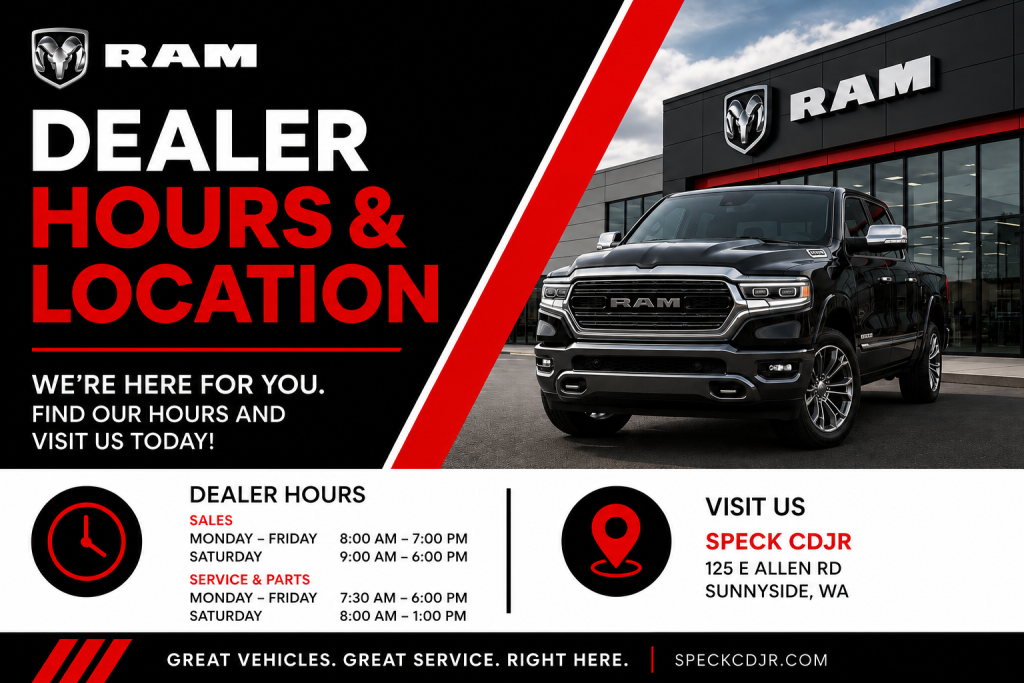
With a holiday just around the corner, we want to make sure all of our guests are aware of our current Ram dealership hours — including any upcoming closures. Whether you're searching for a Ram dealer open near me or planning to drop your truck off for service, we never want you to make the drive out only to find us closed. Here's everything you need to know about our Ram dealer location, hours, and holiday schedule. Where to Find Us — Ram Dealer Location Speck CDJR is your local Ram dealership serving Sunnyside, Prosser, Kennewick, Richland, Pasco, and the greater Yakima Valley. We're conveniently located right in Sunnyside, WA — just a short drive from anywhere in the Tri-Cities area. 📍 Address: 125 E Allen Rd, Sunnyside, WA 📞 Phone: Call us to speak with a team member directly 🌐 Website: Browse inventory and schedule service anytime at SpeckCDJR.com Our Regular Ram Dealer Hours Sales: Monday – Friday: 8:30 AM – 7:00 PM Saturday: 8:30 AM – 6:00 PM Sunday: Closed Service: Monday – Friday: 7:30 AM – 5:30 PM Saturday: 8:00 AM- 4:30PM Hours may vary — contact us or check our website to confirm current availability. Holiday Hours — When We Are Closed Planning a visit around an upcoming holiday? Here's a full breakdown of our closures so you can plan your trip accordingly: Sales & Service — Closed: Fourth of July Thanksgiving Day Christmas Day New Year's Day Easter Sunday Service Department — Also Closed: Memorial Day Labor Day Our sales team will still be available on Memorial Day and Labor Day — stop by and we'll be happy to help you find your next Ram truck or SUV. Shop & Schedule Online — Even When We're Closed Just because our Ram dealership doors are closed doesn't mean your truck search has to stop. Our website is open 24 hours a day, 7 days a week — packed with tools to help you find, build, and schedule from the comfort of your home. Build Your Payment Online On every vehicle listing on our website, you'll find a "Customize Your Payments" button that lets you build your own deal in real time — no dealership visit required. Here's how it works: Browse our current Ram truck and SUV inventory online Click "Customize Your Payments" on any vehicle listing Enter your down payment amount Add your trade-in information Choose between leasing and financing Watch your estimated monthly payment update instantly Whether it's Thanksgiving evening, Christmas morning, or New Year's Day, you can shop our full Ram inventory and build a payment that works for your budget — all from your phone or computer. By the time our doors open, you'll already know exactly what you want and what it's going to cost. No pressure, no surprises. Schedule a Service Appointment Online Need to get your Ram truck in for an oil change, tire rotation, brake inspection, or any other service? You don't have to wait until we're open to get on our schedule. Our online service scheduler is available around the clock — simply visit our website, select your preferred date and time, and our certified Ram service technicians will be ready for you when you arrive. Scheduling online is fast, easy, and means one less thing to worry about over the holiday. Whether you're due for routine maintenance or have a specific concern, our team is here to help keep your Ram running at its best. We'll See You Soon We're grateful for every customer who makes the drive out to Speck CDJR in Sunnyside, and we want every visit to be worth your time. If you're ever unsure of our current Ram dealer hours, check our website or give us a call before heading out. And if the holiday has us closed when the urge to shop strikes — our "Customize Your Payments" tool and online service scheduler are always ready when you are. From all of us at Speck CDJR — thank you for choosing us as your local Ram dealership in the Yakima Valley. We look forward to seeing you soon! Hours and Directions The information provided is for general informational purposes only and does not constitute legal, financial, or professional advice. While we strive to provide accurate and up-to-date information, we make no guarantees regarding the completeness, accuracy, or reliability of the information presented. Any action you take based on the context of this blog is strictly at your own risk. Always consult a qualified professional or specialist for advice specific to your situation. We are not responsible for any losses or damages arising from the use of this blog or its content.
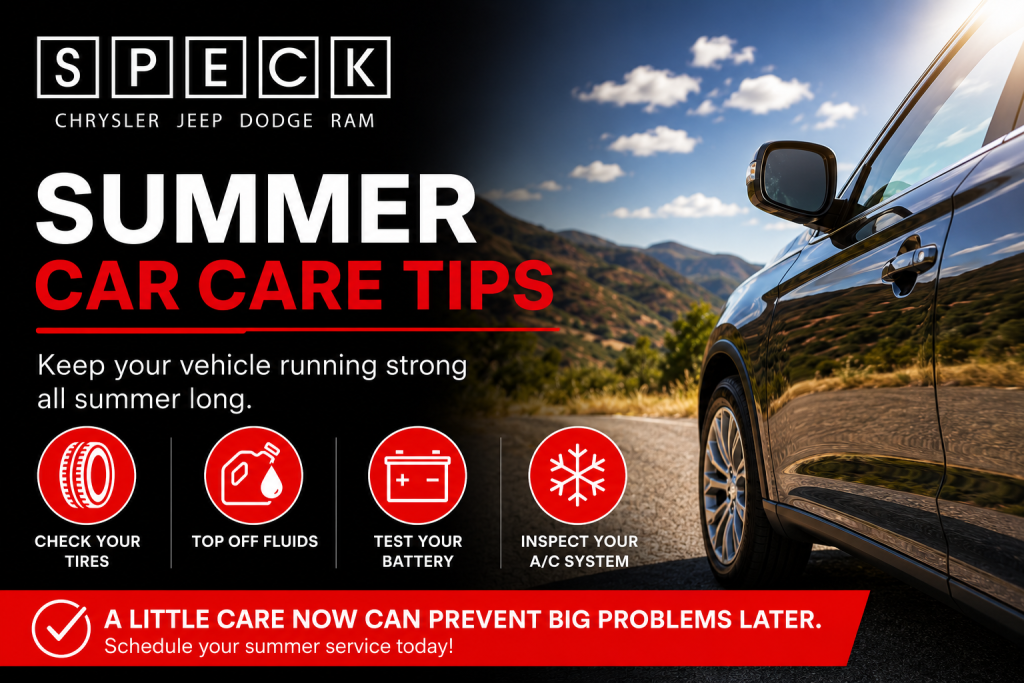
summer car care tips from speck cdjr

Summer Car Care Tips for Washington Drivers

Summer in Eastern Washington is no joke. With temperatures regularly hitting the 90s and 100s across the Yakima Valley and Tri-Cities, your vehicle works harder than it does any other time of year. The good news is that a little preventive maintenance goes a long way — and the team at Speck CDJR is here to help make sure your car, truck, or SUV is ready for everything summer throws at it. Here are the most important things to check before the heat peaks. Top Summer Car Care Tips Check Your Coolant & Cooling System: Your cooling system is your engine's first line of defense against summer heat. Low or old coolant can lead to overheating — one of the most common and costly summer breakdowns. Have your coolant level and condition checked, and inspect hoses and belts for cracks or wear while you're at it. Get an Oil Change: Motor oil breaks down faster in extreme heat, losing its ability to properly lubricate your engine. If you're due for an oil change — or close to it — don't put it off heading into summer. Fresh oil keeps your engine running cooler and more efficiently on long hot drives. Test Your Battery: Most people associate dead batteries with winter, but summer heat is actually harder on batteries than cold weather. High temperatures accelerate the chemical breakdown inside a battery and can cause it to fail without warning. If your battery is more than 3 years old, have it tested before the heat sets in. Service Your A/C System: A struggling A/C isn't just uncomfortable — it can signal a refrigerant leak or a failing compressor. If your air isn't blowing as cold as it used to, or if it takes a while to cool down the cabin, have your A/C inspected and recharged before the peak of summer. Yakima Valley heat is no time to discover your A/C is out. Technician checking brakes on a Jeep Top Off All Fluids: Summer heat affects more than just your coolant. Check and top off windshield washer fluid, brake fluid, power steering fluid, and transmission fluid. Keeping all fluids at proper levels ensures every system operates as it should during the hottest months. Inspect Your Tires: Heat causes tire pressure to rise, which increases the risk of a blowout — especially on long highway drives. Check your tire pressure when tires are cold, inspect tread depth, and look for any sidewall cracking or bulging. Don't forget to check your spare too. Check Your Brakes: If you're planning any summer road trips through mountain passes or along hilly terrain, your brakes deserve a look before you go. Worn brake pads or low brake fluid can put you in a dangerous situation on a long downhill stretch. Our service team can inspect brake pad thickness and overall brake system health quickly. Replace Wiper Blades: Summer storms in Eastern Washington can pop up fast. Worn wiper blades streak and skip, making it hard to see clearly when you need to most. Wiper blades are inexpensive and quick to replace — an easy win for summer safety. A Few Extra Summer Tips Park in the shade when possible. A shaded spot reduces interior temps significantly and protects your dashboard and upholstery from UV damage over time. Use a sunshade. A windshield sunshade can drop interior temps by 15–20°F and keep your steering wheel from becoming untouchable. Keep an emergency kit in your vehicle. Water, a first aid kit, jumper cables, and a phone charger are summer road trip essentials, especially on rural Eastern Washington roads. Never leave pets or kids in the car. Temperatures inside a parked car can exceed 140°F on hot days. Not even a few minutes is safe when it's this hot outside. Ready to get your vehicle summer-ready? The service team at Speck CDJR in Sunnyside is here to help. From oil changes and A/C service to brake inspections and tire checks, we've got everything you need to stay safe and comfortable all summer long. Schedule your summer service appointment online or stop by — we'll get you in and out and back on the road. Schedule Appointment Service Specials The information provided is for general informational purposes only and does not constitute legal, financial, or professional advice. While we strive to provide accurate and up-to-date information, we make no guarantees regarding the completeness, accuracy, or reliability of the information presented. Any action you take based on the context of this blog is strictly at your own risk. Always consult a qualified professional or specialist for advice specific to your situation. We are not responsible for any losses or damages arising from the use of this blog or its content.
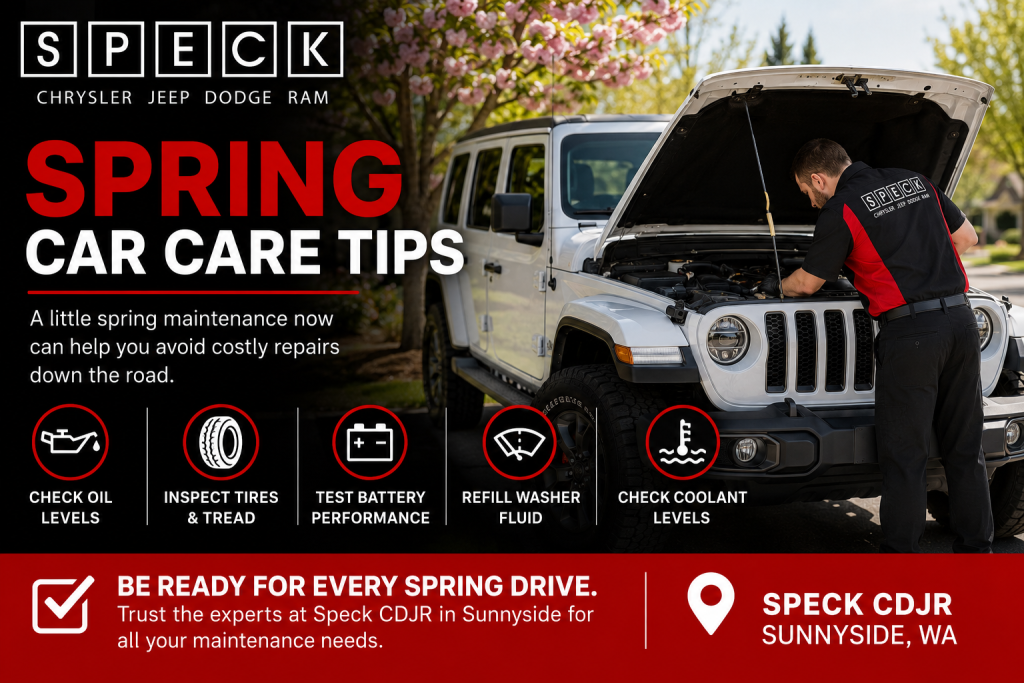
CDJR Spring Car Care Tips for Tri Cities, WA Drivers

Just like winterizing your vehicle, spring is the perfect time to give your ride a little extra TLC! Changing temperatures and spring showers can affect your vehicle more than you think. Our service team at Speck Chrysler Jeep Dodge Ram of Sunnyside is here to get you spring ready and safe for the road ahead! Tires and Brakes: When winter ends, make sure your to align your tires and full of tread, ready to go wherever spring takes you!  Winter roads can cause uneven tire wear and alignment issues that you may not even notice. Don't forget your brakes either — cold temperatures and wet roads can really take a toll on your braking system. Fluids and Exterior: When winter makes its leave for the year, take your car to the car wash to make sure none of the road salt or winter residue is left — it protects your paint and underbody from rust! While you are at it, check all of your fluids and make sure everything is full and fresh for the season ahead. Don't forget your windshield wipers either — winter weather can wear them down fast, leaving you with poor visibility during spring showers! Car Battery: Cold winter temperatures can be extremely tough on your vehicle's battery, draining its power faster than you may realize! Spring is the perfect time to have your battery tested to make sure it is still holding a strong charge. The last thing you want is to be left with a dead battery when the warmer months are has just began! Schedule Service The information provided is for general informational purposes only and does not constitute legal, financial, or professional advice. While we strive to provide accurate and up-to-date information, we make no guarantees regarding the completeness, accuracy, or reliability of the information presented. Any action you take based on the context of this blog is strictly at your own risk. Always consult a qualified professional or specialist for advice specific to your situation. We are not responsible for any losses or damages arising from the use of this blog or its content.
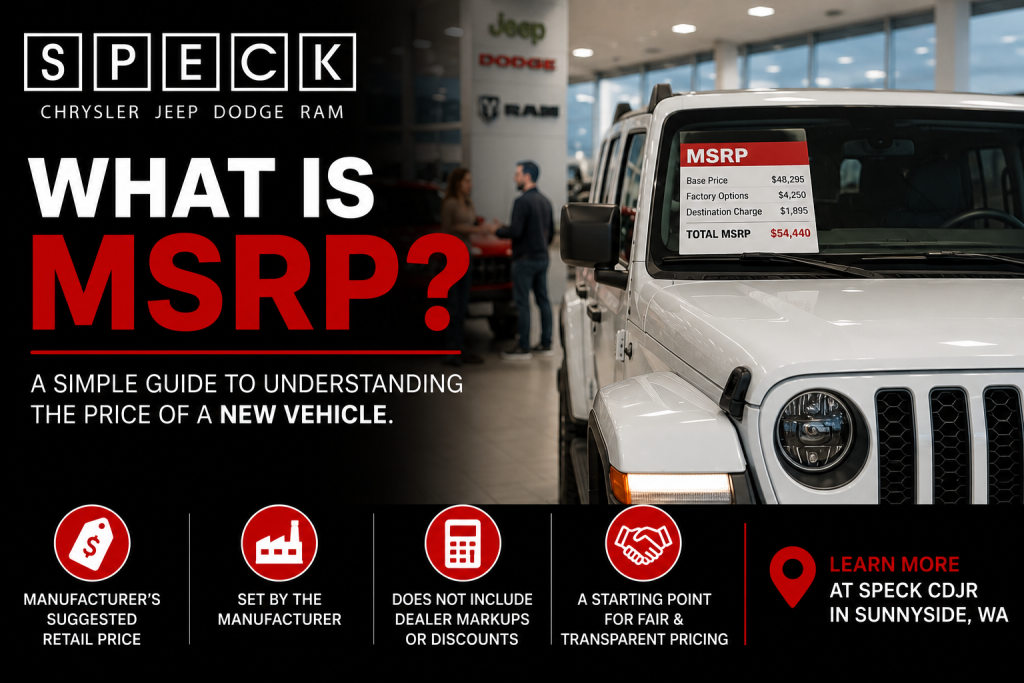
What is MSRP?

If you have ever shopped for a new vehicle, you have probably seen the term MSRP on a window sticker. But what does MSRP stand for, and what does it actually mean for your purchase? Understanding MSRP meaning can help you shop smarter and negotiate with confidence. MSRP Stands for Manufacturer's Suggested Retail Price MSRP is the price the vehicle manufacturer recommends a dealer charge for a specific model. It accounts for the base price of the vehicle plus any added packages or options. The keyword here is "suggested." Dealers are not required to sell at that price. MSRP Is a Starting Point, Not a Final Price The sticker price gives you a baseline for comparing vehicles and trim levels. In some markets, vehicles sell below MSRP. In others, high demand can push the price above it. Knowing the MSRP before you shop helps you understand whether a deal is fair. What Does MSRP Not Include MSRP does not include taxes, title fees, dealer documentation fees, or destination charges. These costs then add on top of the sticker price at the time of purchase. Always ask for the out-the-door price so you know exactly what you will pay before signing anything. Shop With Confidence at Speck Chrysler Jeep Dodge Ram Our team believes in transparent, straightforward pricing. We are happy to walk you through the window sticker on any vehicle and explain exactly what you are paying for. Stop by Speck Chrysler Jeep Dodge Ram today and let us help you find the right vehicle at the right price. Make sure to check for any available specials! Shop New Vehicles The information provided is for general informational purposes only and does not constitute legal, financial, or professional advice. While we strive to provide accurate and up-to-date information, we make no guarantees regarding the completeness, accuracy, or reliability of the information presented. Any action you take based on the context of this blog is strictly at your own risk. Always consult a qualified professional or specialist for advice specific to your situation. We are not responsible for any losses or damages arising from the use of this blog or its content.
dodge-duango-bluetooth

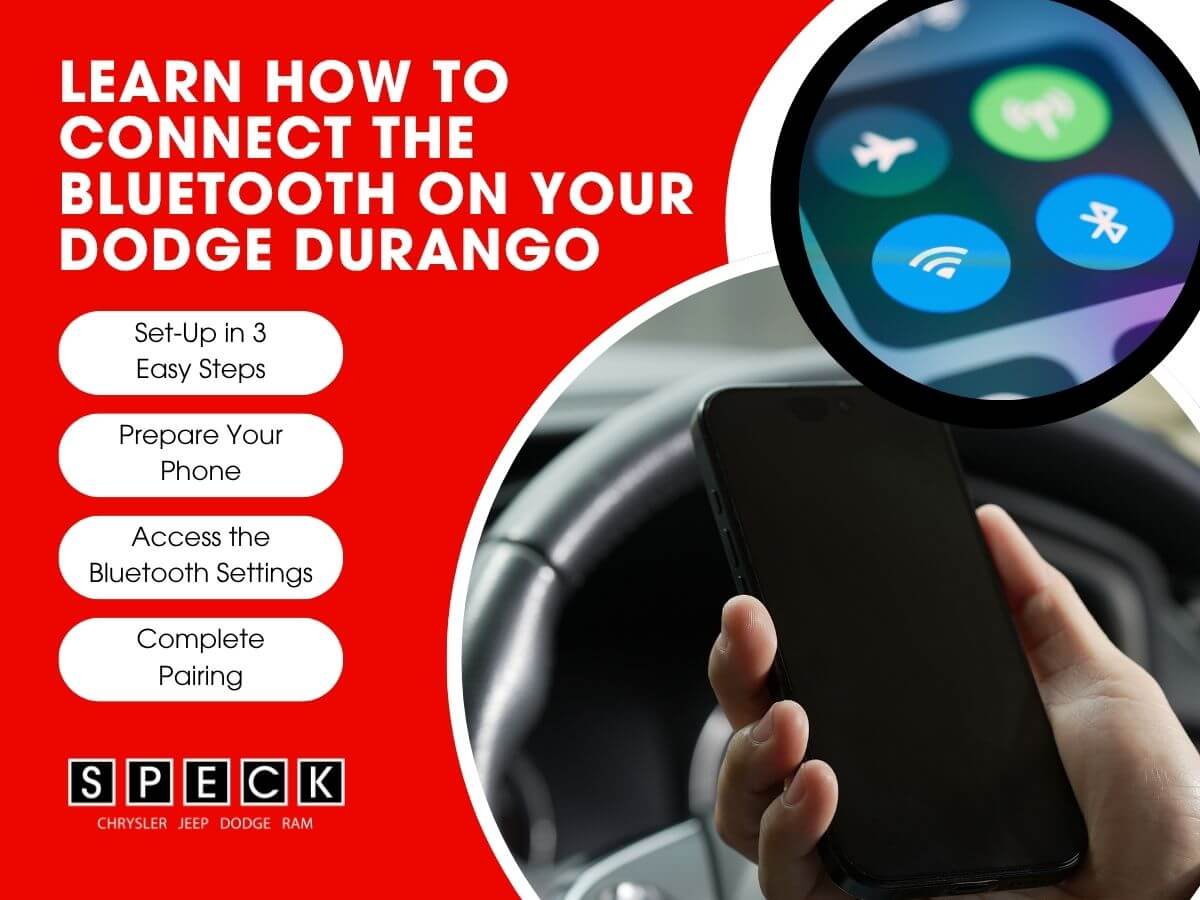
New 2026 Dodge Durango Bluetooth Setup

The 2026 Dodge Durango is full of modern technology to keep you connected on the road. The most common feature is Bluetooth connectivity for calls, music, and navigation. At Speck Chrysler Jeep Dodge Ram, we want to make sure you get the most out of your new Durango. After the following steps, we have included a walkthrough video showing you how we got our phone connected. 2026 Dodge Durango Prepare Your Phone Before you begin, make sure that your phone's Bluetooth is turned on. You can find this in your phones settings under "Bluetooth" or "Connections." Make sure your phone is not connected to another device. Make sure to keep your phone close to your vehicle while you pair to help the process go smooth. Access the Durango's Bluetooth Settings Video Instructions Connecting Bluetooth to Dodge Durango Start by turning on your Durango and navigate to the "Phone" menu on the infotainment system. Tap the "Settings" icon and then select "Bluetooth." From there, select "Add Device" or "Pair a Device" to begin the pairing process. The system will then make the Durango discoverable to nearby devices. Complete the Pairing On your phone, look for the "Uconnect" in your list of available Bluetooth devices. Tap on it to begin the connection. A pairing code may appear on both your phone and on the infotainment screen. Simply confirm the code matches on both screens and accept to complete the pairing. Final Thoughts Once paired, your phone will automatically reconnect every time you start your Durango. It is a quick and easy process that makes every drive more enjoyable. If you need any help getting connected, you can stop by Speck Chrysler Jeep Dodge Ram and our team will be happy to assist you. Be sure to check out our full Dodge inventory while you're here. New Durango Inventory The information provided is for general informational purposes only and does not constitute legal, financial, or professional advice. While we strive to provide accurate and up-to-date information, we make no guarantees regarding the completeness, accuracy, or reliability of the information presented. Any action you take based on the context of this blog is strictly at your own risk. Always consult a qualified professional or specialist for advice specific to your situation. We are not responsible for any losses or damages arising from the use of this blog or its content.
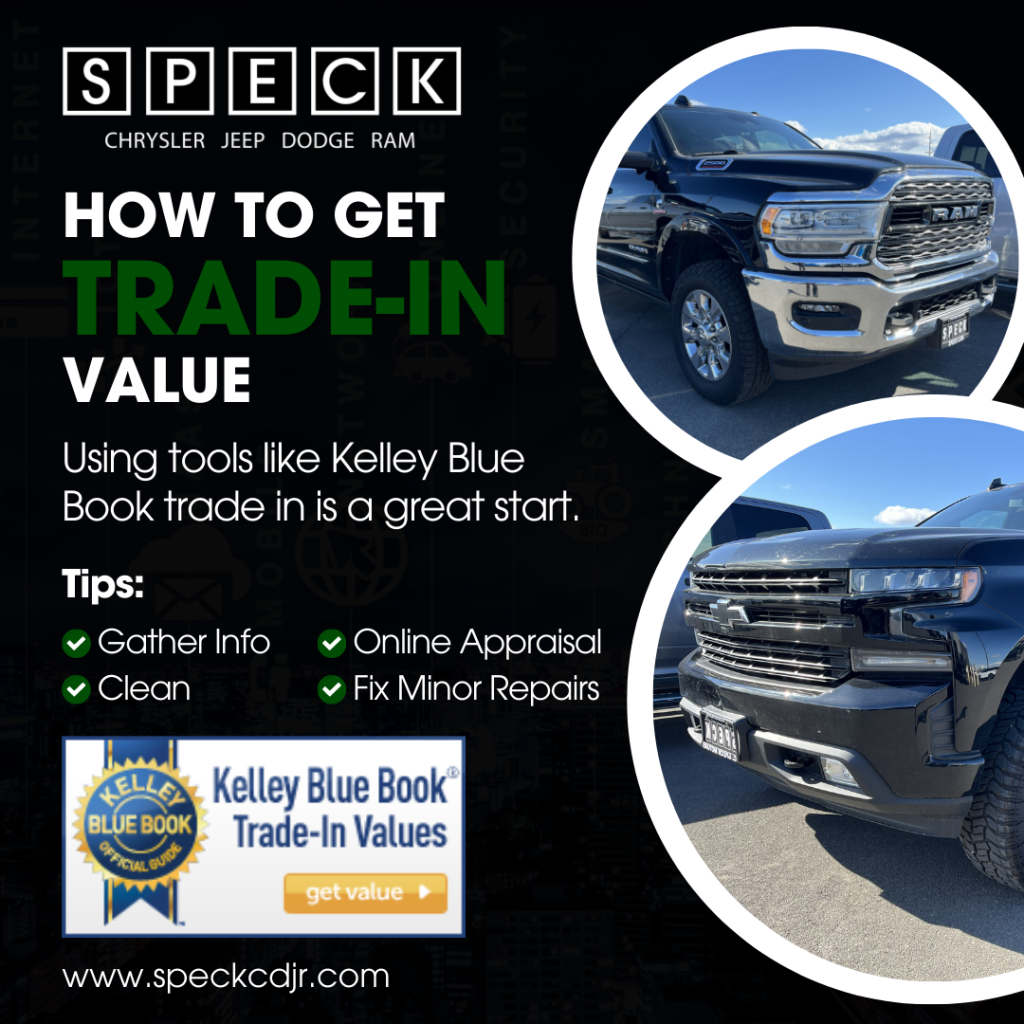
Infographic image of tips to take to get the trade in value of a used truck using Kelley Blue Book

How Can I Get the Trade-In Value on my Used Truck

Trading in your used truck is one of the easiest ways to offset the cost of a new vehicle. Understanding how trade-in value works can help you get the best deal possible. At Speck Chrysler Jeep Dodge Ram, we make the trade-in process simple and straightforward. Using tools like Kelley Blue Book trade in is a great start. What Affects Your Trade-In Value Several factors influence how much your truck is worth. Mileage, condition, age, and market demand all have a factor. A well-maintained truck with lower miles will almost always receive a higher value. Having service records on hand can also work in your favor. How to Prepare Your Truck First impressions matter when bringing in your truck for an appraisal. Give it a thorough wash and clean out the interior before your visit. Take car of any minor repairs that are cost-effective to fix. Small details can make a noticeable differences in your final offer. Getting Your Appraisal The easiest way to start is by using an online trade-in tool, like Kelley Blue Book, all from your home. This gives you a ballpark estimate before you ever step foot in the dealership. From there, bring your truck in and one of our team members will do a full in-person appraisal. We work hard to get you a fair and competitive offer every time. Final Thoughts Knowing your trucks trade-in value puts you in a stronger position when shopping for your next vehicle. The process does not have to be stressful or confusing. Visit Speck Chrysler Jeep Dodge Ram today and let our team walk you through every step of the trade-in process. We see a lot of used trucks Tri Cities and used trucks Yakima and would love to see yours as well. Stop by and check out our large selection of new and used trucks available.

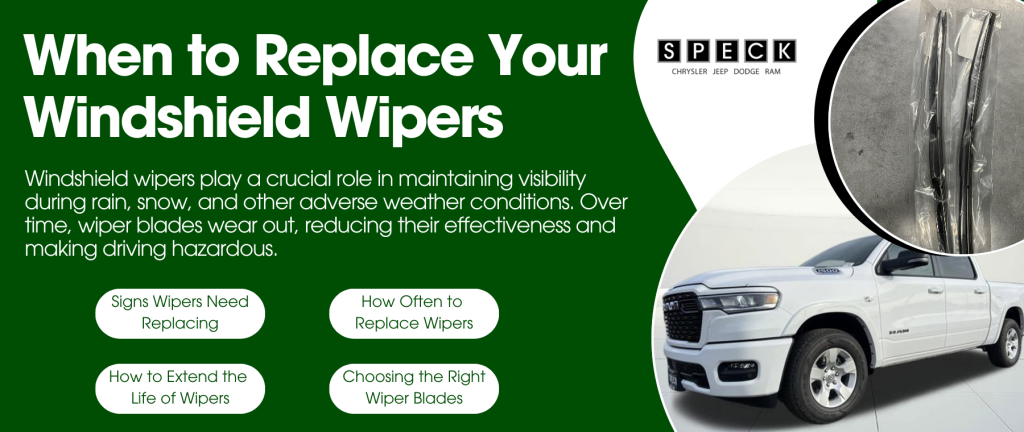
Informative graphic showing when you should replace your windshield wipers

When to Replace Your Windshield Wipers

Windshield wipers play a crucial role in maintaining visibility during rain, snow, and other adverse weather conditions. Over time, wiper blades wear out, reducing their effectiveness and making driving hazardous. Knowing when to replace your windshield wipers ensures optimal performance and safety on the road. 1. Signs That Your Windshield Wipers Need Replacing If you notice any of the following signs, it's time to replace your wipers: Streaking or Smearing: If your wipers leave streaks on the windshield, they may be worn out or have dirt buildup. Skipping or Chattering: Wipers that bounce or skip across the glass indicate hardened rubber or an uneven edge Squeaking Noises: A loud, high-pitched squeak often means the rubber is dry and no longer making proper contact with the glass. Cracked or Torn Rubber: Inspect the blades for visible cracks or splits, which reduces their effectiveness. Reduced Visibility in Rain or Snow: If your wipers struggle to clear the windshield properly, replacing them can improve your visibility and safety. 2. How Often Should You Replace Windshield Wipers? Most experts recommend replacing windshield wipers every 6 to 12 months, but factors like climate and usage may affect their lifespan. Consider replacing them sooner if you: Frequently drive in extreme weather conditions (heat, cold, rain, or snow). Notice a significant drop in performance. See visible wear or damage on the blades. 3. How to Extend the Life of Your Windshield Wipers To maximize the lifespan of your wipers, follow these maintenance tips: Clean Your Windshield Regularly: Dirt and debris can cause excessive wear on the rubber blades. Wipe Down the Blades: Use a damp cloth or wiper cleaner to remove buildup and keep the rubber flexible. Lift Wipers During Freezing Weather: Prevent ice buildup that can crack or tear the rubber. Use the Right Washer Fluid: Avoid harsh chemicals that may degrade the rubber over time. Replace Wipers in Pairs: Ensure even performance by changing both wipers at the same time. 4. Choosing the Right Wiper Blades When selecting new wipers, consider the following options: Conventional Blades: Standard, budget-friendly option found on most vehicles. Beam Blades: More durable, better at handling extreme weather, and offer a sleeker design. Hybrid Blades: Combine durability and aerodynamic efficiency for improved performance. Check your vehicle's owner's manual for the correct size and type of wipers before purchasing replacements. Windshield Wiper Info Replace Your Windshield Wipers Today Windshield wipers are essential for clear visibility and safe driving. Don't wait until a storm hits, inspect and replace your wipers as needed to stay safe on the road. Contact the Speck Chrysler Jeep Dodge Ram service department and talk to our trained professionals. Schedule Service Appointment The information provided is for general informational purposes only and does not constitute legal, financial, or professional advice. While we strive to provide accurate and up-to-date information, we make no guarantees regarding the completeness, accuracy, or reliability of the information presented. Any action you take based on the context of this blog is strictly at your own risk. Always consult a qualified professional or specialist for advice specific to your situation. We are not responsible for any losses or damages arising from the use of this blog or its content.
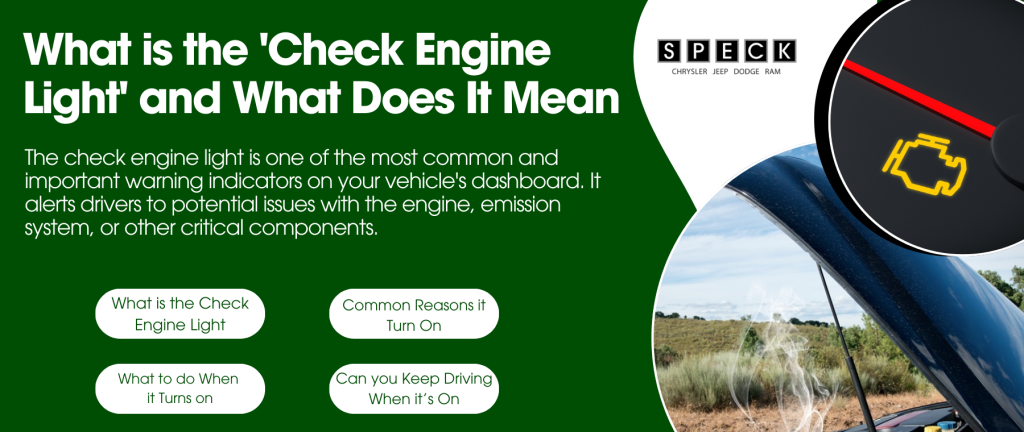
Informative image showing what the check engine light is and what it means

What is the 'Check Engine Light' and What Does It Mean

The check engine light (CEL) is one of the most common and important warning indicators on your vehicle's dashboard. It alerts drivers to potential issues with the engine, emission system, or other critical components. Understanding what this light means and how to respond can help prevent costly repairs and ensure your vehicle runs smoothly. 1. What is the Check Engine Light? The CEL, also known as te malfunction indicator lamp (MIL), is part of your vehicle's onboard diagnostic system (OBD-II). When a problem is detected, the light illuminates to notify the driver that something requires attention. 2. Common Reasons the Check Engine Light Turns On Several issues can trigger the CEL, ranging from minor to severe problems: Loose or Faulty Gas Cap: A loose, cracked, or missing gas cap can cause the light to turn on due to fuel vapor escaping. Oxygen Sensor Failure: A malfunctioning oxygen sensor affects fuel efficiency and emission. Catalytic Converter Issues: If the catalytic converter is failing, it can reduce performance and increase emissions. Mass Airflow Sensor (MAF Problems): This sensor controls how much air enters the engine, issues can cause rough idling and poor fuel economy. Spark Plug or Ignition Coil Failure: Faulty spark plugs can lead to engine misfires, decreased performance, and higher fuel consumption. Battery or Alternator Issues: Electric system problems can sometimes trigger the CEL. 3. What to Do When the Check Engine Light Comes On If your CEL turns on, follow these steps: Check Your Gas Cap: Tighten it and see if the light turns off after a few drives. Observe Vehicle Performance: If the car runs normally, the issue may not be urgent, but you should still have it checked. Look for Flashing Light: A flashing check engine light indicates a severe issue, like an engine misfire, and requires immediate attention. Use an OBD-II Scanner: Many auto parts stores offer free diagnostics to determine the trouble code causing the issue. Schedule a Professional Inspection: If the light stays on, take your vehicle to a certified mechanic for a thorough diagnosis. 4. Can You Keep Driving with the Check Engine Light On? If the Light is Steady: You can usually continue driving but should schedule a service appointment soon. If the Light is Flashing: Stop driving immediately to prevent further damage and have the vehicle inspected as soon as possible. Schedule Your Service Appointment in Sunnyside The CEL is your vehicle's way of telling you something needs attention. While some issues are minor, others can lead to significant repairs if ignored. If your engine light comes on, take the time to diagnose the problem or seek professional help to keep your car running safely and efficiently. Schedule Service Appointment The information provided is for general informational purposes only and does not constitute legal, financial, or professional advice. While we strive to provide accurate and up-to-date information, we make no guarantees regarding the completeness, accuracy, or reliability of the information presented. Any action you take based on the context of this blog is strictly at your own risk. Always consult a qualified professional or specialist for advice specific to your situation. We are not responsible for any losses or damages arising from the use of this blog or its content.
What to Know Before Leasing a Vehicle

Leasing a vehicle is a great option for those who want lower monthly payments. It also provides the ability to easily switch cars every couple years. Before signing a lease, it's important to understand the key aspects of leasing and how it differs from buying. Key Considerations Before Leasing 1. Lease Terms & Mileage Limits Most leases last 24 to 36 months. Leases typically come with annual mileage limits (10,000-15,000 miles per year). Exceeding the mileage limit can result in extra fees per mile 2. Monthly Payments & Costs Leasing usually has lower monthly payments than financing. Be prepared for down payments, acquisition fees, and, disposition fees. You're responsible for maintenance and excess wear-and-tear charges. 3. End-of-Lease Options Return the vehicle and lease a new one. Purchase the leased vehicle if you want to keep it. Extend your lease if you need more time. 4. Insurance Requirements Leased vehicles often require higher coverage limits. GAP insurance may be required to cover potential depreciation gaps. 5. Customization & Restrictions Modifications to leased vehicles are usually not allowed. You must return the vehicle in good condition to avoid extra fees. Lower Your Payments By Leasing Leasing can be a smart financial choice if you prefer lower payments and driving the latest models. Understanding the lease terms and potential costs will help you make an informed decision. Visit our dealership or shop online to explore leasing options that are right for you! Shop New Inventory Apply for Financing The information provided is for general informational purposes only and does not constitute legal, financial, or professional advice. While we strive to provide accurate and up-to-date information, we make no guarantees regarding the completeness, accuracy, or reliability of the information presented. Any action you take based on the context of this blog is strictly at your own risk. Always consult a qualified professional or specialist for advice specific to your situation. We are not responsible for any losses or damages arising from the use of this blog or its content.
Contact Us

Fill out this form below and we'll contact you shortly
*Required Fields